

If you are looking for tools to buy in bulk for resale, choosing the right inventory can make a major difference in how efficiently you source, price, and sell products. Buying tools in larger quantities can give retailers, ecommerce sellers, contractors, and resellers access to a broader inventory selection while potentially lowering the average cost per item.
From power tools and hand tools to branded tool pallets and liquidation inventory, there are several categories worth considering when building a resale business. The key is understanding which products have consistent demand, how to evaluate bulk inventory, and how to calculate your potential selling price before purchasing.
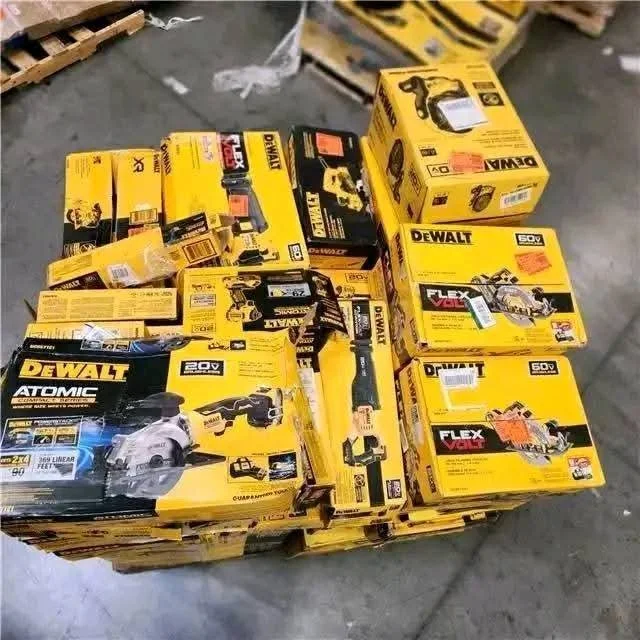
What Are the Best Tools to Buy in Bulk for Resale?
The best tools to buy in bulk for resale depend on your customers, sales channels, budget, and available storage space. However, several tool categories are commonly suitable for wholesale and resale businesses.
Popular categories include:
- Cordless power tools
- Drills and impact drivers
- Saws and cutting tools
- Grinders
- Hand tools
- Tool accessories
- Measuring tools
- Outdoor power equipment
- Tool storage products
- Mixed tool inventory
- Brand-name power tools
Buying a variety of products can help resellers serve different customers instead of depending on one product category.
Why Buy Tools in Bulk for Resale?
Buying inventory in bulk can simplify the sourcing process for businesses that need multiple products at once. Instead of purchasing individual tools from retail stores, a reseller can acquire a larger quantity through wholesale, liquidation, surplus, or pallet inventory.
One potential advantage is the ability to purchase multiple units at a wholesale price. Depending on the inventory and supplier, buying larger quantities may reduce the average acquisition cost.
Bulk purchasing can also provide:
- More inventory for online stores
- More products for physical retail locations
- Multiple items to list on marketplaces
- Opportunities to create product bundles
- More inventory for contractor customers
- A larger selection for local resale
- Faster inventory expansion
However, buying in bulk should always be based on the actual condition, quantity, pricing, and resale potential of the merchandise.
1. Cordless Power Tools
Cordless tools are an important category to consider when researching tools to buy in bulk for resale.
Drills, impact drivers, saws, grinders, and other battery-powered equipment can appeal to contractors, DIY customers, maintenance professionals, and homeowners.
When buying cordless tools in bulk, pay attention to whether the inventory includes:
- Tools only
- Batteries
- Chargers
- Tool cases
- Accessories
- Complete kits
A pallet containing complete kits may have a different resale strategy than a pallet containing tools only.
2. Drills and Impact Drivers
Drills and impact drivers can be practical products for a resale business because they are useful across multiple industries.
Resellers can potentially sell individual units to customers or create bundles containing complementary products.
For example, a reseller could group a drill with accessories, bits, or additional equipment depending on what is included in the inventory.
When purchasing bulk drill inventory, inspect the quantity and condition of each unit before assigning resale prices.
3. Saws and Cutting Tools
Saws are another category worth considering when sourcing bulk tool inventory.
Depending on the supplier, inventory can include products such as:
- Circular saws
- Reciprocating saws
- Jigsaws
- Compact saws
- Cutting equipment
These products can appeal to contractors, construction businesses, woodworkers, maintenance professionals, and DIY customers.
Because saws can vary considerably in specifications and condition, resellers should organize inventory by model and condition before listing products.
4. Hand Tools
Power tools are not the only products worth considering. Hand tools can also provide useful inventory for retailers and resellers.
Examples include:
- Wrenches
- Pliers
- Screwdrivers
- Hammers
- Ratchets
- Sockets
- Measuring tools
- Clamps
- Utility tools
Hand tools can also complement power-tool inventory. A reseller purchasing a mixed tool pallet may be able to create multiple product listings from the same shipment.
5. Tool Accessories
Accessories can be another useful category when deciding which tools to buy in bulk for resale.
Depending on the inventory source, accessories can include:
- Drill bits
- Saw blades
- Grinding discs
- Tool batteries
- Chargers
- Storage cases
- Tool organizers
Accessories may provide additional products to sell alongside larger tools.
Before purchasing a bulk lot, check whether accessories are included in the manifest or product description and determine whether they are new, open-box, returned, or used.
6. Brand-Name Tools
Brand recognition can be an important consideration when sourcing tools for resale.
Well-known tool brands can attract customers who are already searching for specific products. For example, businesses may specifically look for Milwaukee, DeWalt, Ryobi, and other established tool brands.
For businesses interested in Milwaukee inventory, you can explore our Milwaukee tool pallets for available wholesale inventory.
For DeWalt-focused inventory, our DeWalt tool pallet guide can provide another starting point for researching bulk tool opportunities.
7. Mixed Tool Pallets
Mixed tool pallets can be useful for businesses that want variety rather than a single product type.
A mixed pallet may contain different categories of tools, depending on the source and inventory available.
For example, a shipment could include a combination of:
- Power tools
- Hand tools
- Accessories
- Tool storage
- Hardware
- Contractor equipment
The advantage of mixed inventory is variety. The challenge is that each product may require a different resale price, listing strategy, and inspection process.
8. Liquidation Tools
Liquidation inventory can be another source of tools for resale.
Liquidation merchandise may come from customer returns, overstock, shelf pulls, excess inventory, discontinued products, or other sources.
The condition of liquidation tools can vary, so buyers should understand the condition before purchasing.
Possible conditions include:
- New
- New in box
- Open box
- Customer return
- Used
- Tested
- Untested
Never assume that every liquidation tool has the same condition. Review the available product information and inspect merchandise when possible.
How to Calculate Your Resale Potential
Before purchasing bulk inventory, calculate the approximate cost per item.
For example, imagine a pallet costs $1,200 and contains 40 tools.
The average acquisition cost would be:
$1,200 ÷ 40 = $30 per tool
However, the $30 figure is not your complete business cost.
You may also need to account for:
- Shipping
- Delivery
- Storage
- Marketplace fees
- Packaging
- Returns
- Testing
- Repairs
- Advertising
- Payment processing
Your actual cost should therefore be calculated using the total landed cost rather than only the pallet purchase price.
How to Price Tools for Resale
Once your inventory arrives, separate the products by condition and type.
A simple system can include:
New: Products that are unused and remain in original packaging.
Open Box: Products that have been opened but appear unused.
Tested Return: Products that have been inspected and confirmed to operate correctly.
Used: Products showing previous use but remaining suitable for resale.
Untested: Products that require additional testing before being advertised as working.
Clear descriptions can help customers understand exactly what they are purchasing.
Buying Tools in Bulk for an Online Store
Ecommerce sellers can use bulk tool inventory to create multiple product listings.
Instead of listing an entire pallet as one product, a reseller may separate inventory into individual listings when appropriate.
For example, one shipment could potentially produce listings for:
- Cordless drills
- Impact drivers
- Saws
- Grinders
- Hand tools
- Tool accessories
- Tool kits
Good product photography, accurate descriptions, and clear condition information can make the inventory easier to sell online.
Buying Tools in Bulk for a Physical Store
Retail stores can also benefit from bulk tool sourcing.
A physical store may use wholesale inventory to expand its tool section without purchasing every individual product through traditional retail channels.
Bulk inventory can also provide opportunities to create promotional displays, seasonal offers, clearance sections, and contractor-focused product selections.
Before purchasing, make sure the quantity matches your available storage and expected customer demand.
Tools for Contractors and Businesses
Contractors and maintenance businesses may need multiple tools for employees, job sites, workshops, or replacement inventory.
This creates another potential market for bulk tool sellers.
A reseller can organize inventory by category and provide customers with multiple purchasing options rather than selling only individual items.
Businesses that buy frequently may also become repeat customers if the inventory, pricing, and product condition consistently meet their requirements.
What to Check Before Buying Bulk Tool Inventory
Before purchasing tools to buy in bulk for resale, review several important details.
Check the Quantity
Confirm the estimated number of units included in the lot or pallet.
Check the Condition
Determine whether products are new, open box, customer returns, shelf pulls, used, tested, or untested.
Check the Brand Mix
If your customers prefer specific brands, verify what brands are included before purchasing.
Check the Product Mix
A pallet with 50 similar products requires a different selling strategy than a pallet containing 50 different products.
Calculate the Total Cost
Include shipping, handling, storage, testing, and other business expenses in your calculations.
Review Your Storage Capacity
Tools can take up considerable space. Make sure you have enough room to receive, organize, and protect your inventory.
Where Can You Buy Tools in Bulk for Resale?
Businesses can source bulk tools through several channels, including wholesale suppliers, liquidation companies, surplus inventory sellers, distributors, auctions, and online marketplaces.
The right source depends on the type and condition of inventory you want.
For businesses interested in wholesale and liquidation merchandise, the PalletLiquidation.us shop provides access to available inventory across different product categories.
When comparing suppliers, consider the complete purchasing cost instead of looking only at the advertised price.
Is Buying Tools in Bulk Good for Resellers?
Bulk tool sourcing can give resellers access to larger quantities of inventory and multiple products from one purchase.
However, profitability depends on several factors, including acquisition cost, product condition, customer demand, selling fees, shipping costs, and the prices you can realistically achieve.
The goal should not simply be to buy the cheapest pallet. Instead, focus on finding inventory that fits your customers and sales channel.
Safety When Handling Bulk Tool Inventory
Businesses should also take appropriate safety precautions when receiving, testing, storing, and selling power tools.
Tools should be inspected for obvious damage, missing components, damaged electrical cords, battery issues, or other problems before being offered for sale.
For general workplace guidance, review OSHA’s hand and power tools safety information.
Always follow applicable manufacturer instructions and workplace safety requirements when testing or handling tools.
Final Thoughts
Finding the right tools to buy in bulk for resale starts with understanding your customers and choosing inventory that fits your business model.
Power tools, hand tools, accessories, branded tools, mixed pallets, and liquidation inventory can all provide different opportunities for retailers and resellers. The most important step is to understand exactly what you are purchasing before committing your budget.
Calculate your total acquisition cost, inspect inventory when possible, separate products by condition, and research realistic resale prices before listing your products.
Whether you operate an ecommerce store, local retail business, contractor supply operation, or resale business, buying tools in bulk can help you build a larger inventory from fewer purchasing transactions.
If you are ready to explore tools to buy in bulk for resale, review available wholesale and liquidation inventory, compare product categories, and choose inventory that matches your customers, budget, storage capacity, and selling strategy.
Frequently Asked Questions
What are the best tools to buy in bulk for resale?
Popular options include cordless power tools, drills, impact drivers, saws, grinders, hand tools, accessories, tool kits, and brand-name tool inventory. The right products depend on your customers and resale channel.
Can I buy tool pallets for resale?
Yes. Tool pallets can contain multiple units of power tools, hand tools, accessories, or mixed inventory. Always check the quantity, condition, product mix, and total cost before purchasing.
Are liquidation tools good for resale?
Liquidation tools can provide resale opportunities, but condition varies. Buyers should determine whether inventory is new, open box, customer return, used, tested, or untested before purchasing.
Can I resell Milwaukee and DeWalt tools?
Resellers can offer genuine branded tools through appropriate resale channels. Buyers should verify product authenticity, condition, and source documentation where applicable.
How do I calculate the cost of bulk tool inventory?
Divide the total landed acquisition cost by the number of sellable units. Remember to include shipping, handling, testing, storage, marketplace fees, packaging, and other applicable expenses.
Where can I find wholesale tool inventory?
Wholesale tool inventory can be sourced through liquidation suppliers, wholesale distributors, surplus sellers, auctions, and specialized bulk inventory marketplaces. Compare pricing, condition, quantity, and supplier terms before purchasing.
Final Thoughts
Finding the right tools to buy in bulk for resale starts with understanding what your customers actually want and choosing inventory that fits your business model. For retailers, ecommerce sellers, contractors, and independent resellers, the right tools to buy in bulk for resale can provide a practical way to build inventory without purchasing every item individually.
When evaluating tools to buy in bulk for resale, consider power tools, hand tools, tool accessories, branded tools, mixed tool pallets, and liquidation inventory. Different tools to buy in bulk for resale can appeal to different customer groups, so your product selection should match your target market.
Before purchasing tools to buy in bulk for resale, calculate your total acquisition cost. The purchase price is only one part of the expense when sourcing tools to buy in bulk for resale. Shipping, delivery, storage, testing, packaging, marketplace fees, and other operating costs can affect your final resale margins.
It is also important to inspect tools to buy in bulk for resale whenever possible. Check the condition, quantity, brand, model, accessories, batteries, chargers, packaging, and other components before listing tools to buy in bulk for resale for customers.
For businesses purchasing tools to buy in bulk for resale, buying by the pallet can provide access to multiple products through one transaction. Tool pallets can include different types of tools to buy in bulk for resale, including drills, impact drivers, saws, grinders, hand tools, and accessories.
Brand-name inventory can also be attractive when sourcing tools to buy in bulk for resale. Depending on availability, businesses may find Milwaukee, DeWalt, Ryobi, and other recognized brands among wholesale or liquidation inventory. These brands can give resellers additional product categories to consider when selecting tools to buy in bulk for resale.
Liquidation inventory is another option for businesses looking for tools to buy in bulk for resale. Customer returns, overstock, shelf pulls, surplus merchandise, and discontinued inventory can provide different opportunities. However, always confirm the condition before purchasing tools to buy in bulk for resale.
If you sell online, organize your tools to buy in bulk for resale by product type and condition before creating listings. Clear product titles, accurate descriptions, quality photographs, and transparent condition information can make tools to buy in bulk for resale easier for customers to understand.
Local retailers can also use tools to buy in bulk for resale to expand their inventory. A business can purchase tools to buy in bulk for resale, organize the merchandise in its store or warehouse, and sell individual products according to customer demand.
For ecommerce businesses, tools to buy in bulk for resale can provide multiple individual listings from one wholesale purchase. Instead of relying on a single product, resellers can potentially create listings for different tools to buy in bulk for resale, depending on what is included in the inventory.
The key is to choose tools to buy in bulk for resale based on realistic demand rather than simply choosing the lowest-priced inventory. The cheapest tools to buy in bulk for resale are not necessarily the best fit if the products have limited demand, require extensive repairs, or are difficult to sell.
Businesses should also consider storage requirements when purchasing tools to buy in bulk for resale. Power tools, tool kits, and larger equipment can take up significant warehouse space. Make sure you have enough room to receive, organize, inspect, and ship your tools to buy in bulk for resale.
If your business is comparing tools to buy in bulk for resale, review the supplier’s product information carefully. Look at quantities, product conditions, brands, estimated values, shipping options, and purchasing requirements before committing to an order.
The best tools to buy in bulk for resale will depend on your customers, budget, sales platform, storage capacity, and business strategy. There is no single product category that works for every reseller, which is why researching tools to buy in bulk for resale before making a purchase is important.
For businesses ready to source tools to buy in bulk for resale, wholesale and liquidation inventory can provide different purchasing opportunities. Whether you need power tools, hand tools, branded inventory, mixed tool pallets, or other merchandise, compare available tools to buy in bulk for resale against your expected customer demand.
Ultimately, successful bulk purchasing is about more than finding tools to buy in bulk for resale at a low price. It is about finding tools to buy in bulk for resale that you can realistically inspect, store, market, price, and sell through your chosen sales channels.
If you are researching tools to buy in bulk for resale, start by identifying your target customers, setting a purchasing budget, calculating your total costs, and determining how much inventory your business can handle.
For businesses ready to explore tools to buy in bulk for resale, PalletLiquidation.us provides wholesale and liquidation inventory opportunities for resellers, retailers, and businesses. Review the available inventory and compare products before deciding which tools to buy in bulk for resale fit your business.
Whether you are a new reseller or an established retailer, carefully researching tools to buy in bulk for resale can help you make more informed inventory purchasing decisions and build a product selection around your actual customers.
If your goal is to find reliable tools to buy in bulk for resale, focus on product condition, quantity, total cost, brand selection, resale demand, and supplier terms. With the right research, the tools to buy in bulk for resale can become a useful part of a broader wholesale inventory strategy.
