
Beauty products offer resellers an opportunity to serve customers who regularly shop for cosmetics, skincare, makeup tools and personal care accessories. However, building a beauty inventory one product at a time can be expensive and time-consuming. Wholesale liquidation offers another sourcing option: purchasing assorted merchandise in larger quantities and preparing suitable products for resale.
Makeup Mystery Box Pallets can be worth exploring if you operate a beauty store, online shop, discount outlet, boutique or resale business. Instead of sourcing every lipstick, foundation, eyeshadow palette or makeup brush separately, you can purchase a larger assortment through one wholesale order.
If you are ready to explore this inventory, visit our Makeup Mystery Box Pallets product page to review the current listing and purchasing information. You can also browse the full Pallet Liquidation wholesale shop to compare other available inventory.
This guide explains what may be included in a makeup mystery box pallet, how to inspect and organize the merchandise, how to approach resale pricing, and what to consider before placing a wholesale order.
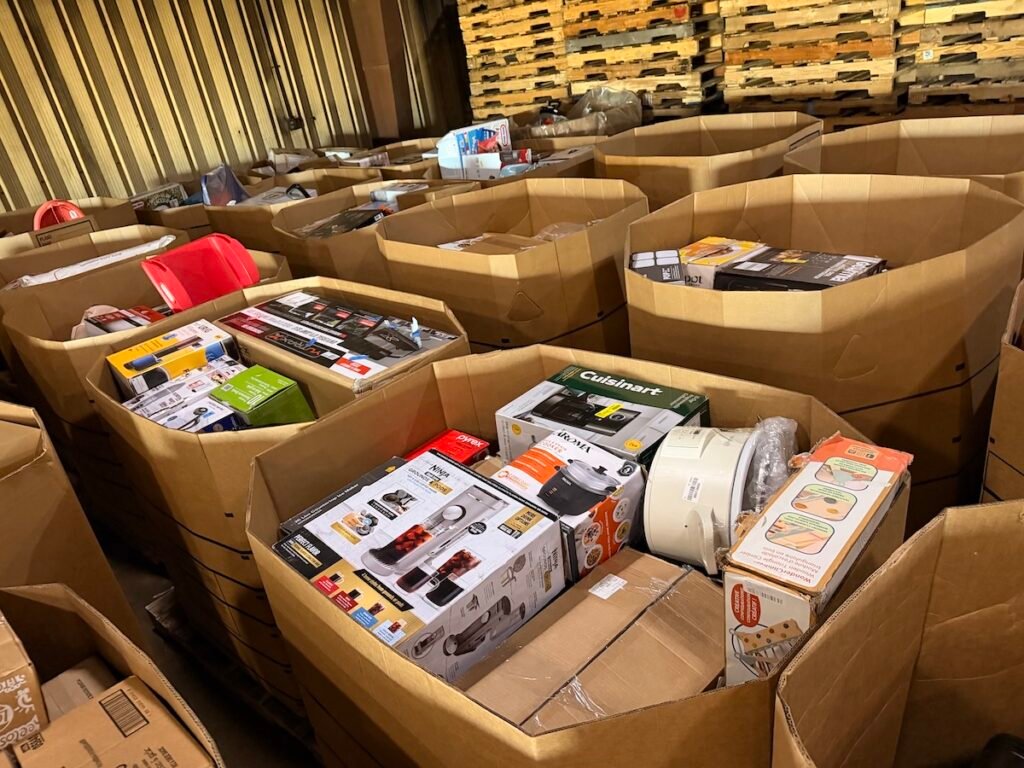
What Are Makeup Mystery Box Pallets?
Makeup Mystery Box Pallets are wholesale beauty inventory sold in a grouped format. Rather than purchasing individual cosmetics from multiple suppliers, buyers acquire a collection of assorted products packaged into mystery boxes.
The word mystery is important. It means buyers should expect variety rather than assume every box contains an identical selection. Product types, brands, colors, styles and quantities can vary according to the available inventory.
These pallets can appeal to several types of businesses:
- Beauty supply stores looking to expand their product selection.
- Online sellers building a cosmetics inventory.
- Boutique owners seeking additional beauty merchandise.
- Discount retailers selling affordable personal care products.
- Livestream sellers demonstrating assorted beauty products.
- Entrepreneurs testing demand for different cosmetics categories.
The main attraction is variety. A mixed assortment can give a reseller several product categories to sort, price and market. However, variety also means that buyers need an organized inspection and inventory process.
What Is Included in a Makeup Mystery Box Pallet?
The current PalletLiquidation.us listing describes a pallet containing five mystery boxes, with approximately 150–200 assorted makeup and beauty products per box. The listing identifies a mixture of new, overstock and shelf-pull merchandise. Actual products and quantities can vary, so buyers should review the current listing before ordering.
Possible product categories include:
1. Foundation and concealer
Foundation and concealer products are common cosmetics categories that can appeal to customers looking for everyday makeup essentials.
Depending on the assortment, you may encounter different shades, finishes and product formats. Separate these products by shade and type before listing them for sale.
Shade identification is especially important. A foundation should not be advertised as a particular shade unless the packaging or product information confirms it.
2. Lipsticks and lip glosses
Lip products can provide variety for a beauty retailer because customers may look for different colors, finishes and formulas.
Possible items include:
- Traditional lipsticks.
- Liquid lipsticks.
- Lip glosses.
- Lip liners.
- Lip care products.
- Assorted lip sets.
Keep products grouped by type and shade. Clear photographs make it easier for customers to understand the colors and packaging they are purchasing.
3. Eyeshadow palettes and eye makeup
Eye makeup can include several different product formats, such as eyeshadow palettes, individual shadows, mascaras and eyeliners.
When sorting these products, check that packaging is intact and that the contents have not been visibly damaged or contaminated.
Do not assume an opened cosmetic product is suitable for resale. Products should be assessed individually, and anything that cannot be verified as safe and suitable should be separated from retail-ready inventory.
4. Blush, bronzer and highlighter
These products can help retailers create a more varied cosmetics selection.
Organize them by product type, shade and condition. Where packaging includes a product name or shade number, record that information accurately.
5. Makeup brushes and beauty tools
Some assortments may include brushes, applicators and other beauty accessories.
These products can be useful additions to a cosmetics store because customers sometimes purchase application tools alongside makeup products.
Check packaging, cleanliness and completeness before listing them. Separate loose or damaged items from products that are ready for retail presentation.
6. Skincare and beauty minis
The product listing also identifies skincare products and beauty-related items as possible parts of the assortment.
These products require additional attention because some may have expiry dates, storage instructions or packaging seals that need to be checked.
Do not assume every item in a beauty pallet is a cosmetic suitable for immediate resale. Identify each product and review its condition before deciding how to handle it.
Which Brands May Be Included?
The current product listing identifies possible brands such as:
- L’Oréal
- Maybelline
- NYX Professional Makeup
- e.l.f. Cosmetics
- Revlon
- Milani
- Wet n Wild
- CoverGirl
The listing also notes that premium brands and discontinued retail collections may occasionally appear.
These are examples of brands that may be included, not a guaranteed list for every order. Brand availability depends on the actual inventory.
For resellers, this distinction matters. Avoid advertising a pallet as containing a particular brand unless the supplier has confirmed that brand is included in the specific shipment.
When products arrive, inspect labels, packaging and identifying information before creating individual listings. Accurate descriptions help customers understand exactly what they are buying.
How to Evaluate Makeup Mystery Box Pallets Before Buying
Buying wholesale cosmetics requires more than comparing the advertised price with the potential retail value. You need to understand the inventory, the condition of the merchandise and the amount of work involved in preparing it for sale.
Use the following steps when evaluating Makeup Mystery Box Pallets.
1. Read the complete product description
Start with the supplier’s product page. Look for the number of boxes, estimated quantity, product categories and stated condition.
For example, the current listing describes five mystery boxes per pallet and approximately 150–200 products per box. This is useful information for planning, but it does not mean every box will contain the same items.
Read the description carefully and contact the supplier if an important purchasing detail is unclear.
2. Understand the merchandise condition
The listing identifies new, overstock and shelf-pull merchandise.
These terms should not be treated as interchangeable.
- New: Merchandise described as unused and new.
- Overstock: Inventory held in excess of a seller’s immediate stock requirements.
- Shelf pulls: Products removed from retail shelves, potentially because of stock rotation, seasonal changes or discontinued ranges.
Even when products are described as new or overstock, inspect their packaging and condition when they arrive.
3. Ask about available inventory information
Mystery box inventory may not have the same item-by-item detail as a fully manifested pallet.
Before purchasing, ask what information is available about the assortment. Find out whether the supplier can provide additional photographs, an inventory overview or clarification about the product categories.
Do not assume that a mystery box includes a complete manifest unless the supplier confirms it.
4. Review the purchasing and shipping terms
Check the total purchase cost, shipping arrangements, delivery expectations and any other applicable charges.
The current listing advertises free shipping, but always confirm the terms shown at checkout before completing an order.
Keep a copy of the product description and order confirmation for your business records.
5. Decide whether the inventory suits your business
Consider your customers before buying.
A beauty boutique may prefer a balanced selection of cosmetics and accessories. A discount store may be able to sell a wider assortment. An online seller may need more time to photograph and list individual products.
The best inventory purchase is not necessarily the largest one. It is the one your business can store, process and sell responsibly.
How to Sort Makeup Mystery Box Pallets After Delivery
A proper sorting process makes it easier to identify products, track inventory and prepare accurate listings.
Instead of opening boxes and immediately placing products on shelves, establish a basic workflow.
Step 1: Create a clean sorting area
Prepare a suitable workspace with enough room to separate products into categories.
You may need:
- Storage bins or shelving.
- Labels and inventory stickers.
- A notebook or spreadsheet.
- A camera or smartphone.
- A clean work surface.
- Separate containers for items requiring further inspection.
Keep products away from dust, moisture, excessive heat and other conditions that could affect their packaging or quality.
Step 2: Separate merchandise by category
Start by grouping similar products together.
For example:
| Category | Examples |
|---|---|
| Face makeup | Foundation, concealer, primer |
| Lip products | Lipstick, gloss, lip liner |
| Eye makeup | Mascara, eyeliner, eyeshadow |
| Face color | Blush, bronzer, highlighter |
| Beauty tools | Brushes, applicators, accessories |
| Skincare | Cleansers, moisturizers, beauty minis |
This approach makes it easier to count products and identify which categories are most suitable for your sales channels.
Step 3: Inspect packaging and seals
Cosmetics require careful handling.
Check for:
- Broken or missing seals.
- Opened containers.
- Cracked packaging.
- Leaking products.
- Missing caps or components.
- Damaged labels.
- Visible signs of contamination.
- Unclear product identification.
Separate anything that appears opened, contaminated, damaged or otherwise unsuitable for resale.
Do not try to make an unsuitable product appear new by replacing its packaging or removing evidence of damage.
Step 4: Check dates and product information
Some beauty and skincare products have expiry dates, batch codes or period-after-opening information.
Check the packaging and manufacturer information where applicable. Follow any relevant storage instructions and do not list products if their safety or suitability cannot be established.
The FDA’s cosmetics guidance is a useful reference for understanding cosmetics regulation and product safety responsibilities in the United States.
Step 5: Record quantities
Count products by category and record the results.
A simple inventory sheet might include:
| Inventory field | Information to record |
|---|---|
| Product name | Name shown on packaging |
| Brand | Confirmed brand |
| Category | Lip, face, eye, skincare, etc. |
| Quantity | Number of units |
| Condition | New, damaged, opened or needs review |
| Identification | Shade, size or model where available |
| Selling price | Planned retail price |
| Status | Ready to list, hold or exclude |
This information can help you understand what you received and how much inventory is ready for sale.
How to Price Makeup and Beauty Products for Resale
Pricing is one of the most important parts of running a liquidation resale business.
A product’s original retail price does not automatically determine what a customer will pay today. The resale market may be affected by competition, product condition, brand demand, availability and customer preferences.
Use current comparable listings rather than relying only on suggested retail prices.
Research comparable products
Search for the same product, brand, size and shade where possible.
Compare prices across relevant retail websites and marketplaces. Make sure you are comparing products in similar conditions.
For example, an unopened foundation should not automatically be compared with an opened or discontinued product.
Calculate your actual cost per unit
A useful starting formula is:
Unit acquisition cost = Total landed inventory cost ÷ Number of saleable units
Your landed cost should include the merchandise purchase price and any relevant freight, handling, preparation and other acquisition expenses.
For example, suppose a reseller spends $500 in total acquiring and preparing inventory and identifies 200 products that are suitable for sale.
The average acquisition cost is:
$500 ÷ 200 = $2.50 per saleable product.
This is only an average. Individual products may have different values, so use product-specific pricing when the information is available.
Include selling expenses
Your selling price needs to account for more than the cost of acquiring the merchandise.
Consider:
- Marketplace fees.
- Payment processing fees.
- Packaging materials.
- Shipping subsidies.
- Advertising expenses.
- Storage and handling.
- Discounts and promotions.
- Returns or customer service costs where applicable.
A product can have a high apparent markup and still contribute little to the business after expenses.
Use different prices for different products
Do not give every product in a mystery box the same price simply because it came from one pallet.
A better approach is to create price groups based on product type, condition, comparable market prices and demand.
This also makes it easier to offer bundles and promotional deals.
Where Can You Sell Products From Makeup Mystery Box Pallets?
Once your inventory has been inspected, sorted and priced, decide where each product is most likely to reach its intended customer.
1. Your own ecommerce website
Selling through your own website gives you control over product presentation, branding and customer experience.
You can create separate product categories for face makeup, lip products, eye makeup, skincare and beauty accessories.
High-quality photographs and accurate descriptions are important. Include the product name, shade, size, condition and other relevant details.
2. Beauty supply stores
Physical beauty stores can use wholesale inventory to expand their selection.
Products should be organized so shoppers can easily compare categories, brands and prices.
Keep damaged or unsuitable products away from retail shelves.
3. Boutique and discount stores
A boutique or discount store may be able to sell selected cosmetics alongside accessories, gifts and personal care products.
Choose merchandise that fits the store’s existing customers rather than placing every item on display.
4. Livestream selling
Livestream platforms can help sellers demonstrate products and interact with customers.
For beauty merchandise, clear lighting and close-up product demonstrations are particularly useful.
Describe products accurately. Do not make unsupported claims about performance, ingredients or results.
5. Online marketplaces
Online marketplaces can provide access to customers who are already searching for cosmetics.
Before listing, check the marketplace’s current rules for cosmetics, health and beauty products, opened goods, expiry dates and restricted categories.
Some products may have additional listing requirements. Confirm that each item is eligible before publishing it.
How to Create Attractive Makeup Listings
Good product presentation can make a difference when customers are deciding what to purchase.
Follow these practices:
Use clear photographs. Photograph the actual product and show its packaging, label, shade and any relevant identifying information.
Write specific descriptions. Include the brand, product name, size, shade and condition when verified.
Avoid misleading claims. Do not describe an item as new, sealed, authentic or unused unless you have a reasonable basis for that description.
Organize by category. Make it easy for customers to browse lip products, face makeup, eye makeup and accessories.
Keep stock information accurate. Update quantities when products sell so you do not advertise inventory that is no longer available.
For promotional content, review the FTC’s advertising and marketing guidance. Product descriptions and marketing claims should be truthful and supported.
Common Mistakes to Avoid When Buying Makeup Mystery Box Pallets
Even a promising wholesale purchase can become difficult to manage if the buyer overlooks important details.
Assuming every box contains identical products
Mystery box inventory is assorted. Do not plan your business around receiving the same brand, shade or product quantity in every box.
Treating all products as retail-ready
Some merchandise may require additional inspection. Opened, leaking, contaminated or damaged cosmetics should be separated and assessed rather than automatically listed for sale.
Pricing from suggested retail value alone
A manufacturer’s recommended retail price is not proof of current resale demand. Research actual comparable selling prices.
Ignoring storage requirements
Cosmetics and skincare products may be sensitive to heat, moisture, sunlight or other storage conditions. Follow the relevant product instructions.
Buying more inventory than you can process
A large quantity of merchandise can create storage and listing challenges. Consider how quickly your business can inspect, photograph, organize and sell the products.
Failing to track inventory
Without proper records, it becomes difficult to understand your cost per unit, sales performance and remaining stock.
How Makeup Mystery Box Pallets Can Fit Into a Larger Wholesale Business
A reseller does not have to rely on one inventory category.
Beauty merchandise can form part of a broader wholesale product strategy. For example, a business that already sells cosmetics may also consider fragrance, skincare and personal care inventory.
You can compare related products such as the Amazon Health & Beauty Pallet, the Mixed Perfume Pallet and Victoria’s Secret Perfume Pallets.
You can also explore the wider wholesale lots category and customer returns inventory to compare other sourcing options.
If you are building a larger inventory operation, the cheap pallets for sale category and truckload liquidation category provide additional categories to review.
For more buying advice and wholesale sourcing information, visit the Pallet Liquidation blog or return to the Pallet Liquidation homepage.
Who Should Consider Buying Makeup Mystery Box Pallets?
This inventory may be worth considering for businesses that have a clear plan for handling assorted cosmetics.
Beauty retailers: Stores can use selected products to expand their existing cosmetics range.
Online resellers: Ecommerce sellers can separate the assortment into individual listings and reach customers searching for specific products.
Discount retailers: Businesses with a discount retail model may be able to offer suitable products at competitive prices.
Livestream sellers: A varied assortment can provide different products to demonstrate, subject to accurate descriptions and platform rules.
New entrepreneurs: People entering the resale market can use a smaller wholesale purchase to learn how inventory inspection, pricing and customer service work. They should still budget carefully and understand the uncertainty associated with assorted liquidation merchandise.
The right buyer is one who has the storage, time, selling channels and processes needed to manage the inventory.
Choosing the Right Makeup Mystery Box Pallets for Your Resale Business
Choosing suitable Makeup Mystery Box Pallets starts with understanding your customers and the type of beauty inventory your business can handle. A retailer specializing in affordable cosmetics may prefer a varied assortment, while an online beauty seller may focus on products that can be photographed and listed individually.
Before purchasing Makeup Mystery Box Pallets, consider the following business factors:
- Customer demand: Research the makeup categories your customers already purchase.
- Product variety: Consider whether assorted cosmetics, skincare and beauty accessories fit your existing inventory.
- Storage capacity: Make sure you have appropriate space to organize and protect the merchandise.
- Inspection time: Allow enough time to check seals, packaging, product identification and condition.
- Selling channels: Decide whether you will sell through your website, a physical store or eligible online marketplaces.
For new resellers, Makeup Mystery Box Pallets can provide an opportunity to explore several beauty product categories through one wholesale purchase. However, the assortment is not guaranteed to match a particular brand list or product mix.
Experienced retailers may also use Makeup Mystery Box Pallets to supplement their existing cosmetics inventory. They can separate suitable merchandise into individual listings, create relevant product bundles and organize stock according to customer demand.
When comparing Makeup Mystery Box Pallets, look beyond the advertised number of products. Consider the total acquisition cost, the number of saleable units, the condition of the merchandise and the time required to prepare it for resale.
A sensible buying decision should be based on the actual product description and purchasing terms. Review the current assortment information before ordering and avoid assuming that every box contains identical products.
Ultimately, Makeup Mystery Box Pallets are best approached as assorted wholesale inventory that requires careful inspection, accurate pricing and a clear resale plan.
Frequently Asked Questions About Makeup Mystery Box Pallets
1. How many products are included in a Makeup Mystery Box Pallet?
The current PalletLiquidation.us listing describes five mystery boxes per pallet, with approximately 150–200 assorted beauty products per box. Quantities and assortments should be confirmed against the live listing before ordering.
2. What types of makeup may be included?
Possible products include foundation, concealer, lipstick, lip gloss, lip liner, eyeshadow, mascara, eyeliner, blush, bronzer, highlighter, primers and makeup brushes. The exact selection varies.
3. Which brands may be included?
The listing identifies possible brands such as L’Oréal, Maybelline, NYX Professional Makeup, e.l.f. Cosmetics, Revlon, Milani, Wet n Wild and CoverGirl. Brand availability is not guaranteed for every pallet.
4. Are all products brand new?
The current listing describes a mixture of new, overstock and shelf-pull merchandise. Buyers should inspect products individually after delivery and review the supplier’s description before purchasing.
5. Can I resell makeup from a mystery box pallet?
Suitable products may be resold through an ecommerce website, beauty supply store, boutique or other permitted sales channel. Check product condition, applicable regulations and marketplace policies before listing.
6. Are Makeup Mystery Box Pallets suitable for beginners?
They may be suitable for beginners who have a plan for sorting, inspecting, pricing and selling assorted inventory. New buyers should consider their available budget, storage space and ability to process the merchandise.
7. How should I inspect cosmetics before resale?
Check packaging, seals, product identification, condition and applicable date information. Separate opened, damaged, leaking, contaminated or otherwise questionable products. Do not sell products that cannot be established as suitable for resale.
8. How do I calculate the cost of each product?
Add the merchandise purchase price and relevant acquisition expenses, then divide that total by the number of saleable units. For more accurate pricing, account for differences in product value and selling expenses.
9. Can I sell the products individually?
Where permitted by the applicable sales channel, individual products can be listed separately. Accurate product descriptions, clear photographs and verified condition information are important.
10. Where can I buy Makeup Mystery Box Pallets in the USA?
You can review the current Makeup Mystery Box Pallets listing at PalletLiquidation.us. Check the product details, current price, shipping information and purchasing terms before placing an order.
Final Thoughts: Building a Beauty Resale Business With Wholesale Inventory
Makeup Mystery Box Pallets can provide beauty retailers and resellers with an assortment of cosmetics and related products through a single wholesale purchase. Their variety can create opportunities for different selling channels, but it also makes careful inventory management essential.
The most important steps are to understand the product description, check merchandise condition, organize products by category, research realistic resale prices and maintain accurate stock records.
Do not base your purchasing decision on advertised retail values or the assumption that every box will contain specific brands. Focus instead on the information available, the total cost of acquisition and your ability to sell the merchandise responsibly.
If you are considering adding wholesale cosmetics to your business, review the current Makeup Mystery Box Pallets listing and compare it with other products in the Pallet Liquidation wholesale shop.
A well-planned buying and resale process can help you make more informed inventory decisions as your business grows.
