
Buying grocery pallets for resale can be an opportunity for US retailers, discount store owners, convenience stores, market vendors and wholesale resellers looking to expand their inventory. From packaged snacks and canned goods to beverages, pantry essentials and household supplies, mixed grocery inventory can provide access to several everyday product categories through one bulk purchase.
However, successful wholesale buying involves more than finding a low advertised price. Buyers need to evaluate product selection, packaging, expiration or best-before dates, storage conditions, transportation costs and potential resale demand before committing to an order.
If you are looking for bulk grocery inventory, explore the Grocery Pallets (400–800 Units) product listing at Pallet Liquidation. This product is designed for businesses interested in assorted grocery and household merchandise, with an estimated 400–800 units per pallet depending on the product mix and packaging.
This guide explains how to evaluate grocery inventory, identify suitable suppliers, calculate your costs and make informed wholesale purchasing decisions in the United States.
Why Buy Grocery Pallets for Resale?
Grocery products are part of everyday shopping. Consumers regularly purchase packaged snacks, pantry essentials, beverages and household supplies, making these categories relevant to many types of retail businesses.
For resellers, purchasing grocery merchandise in bulk can create an opportunity to expand product selection without sourcing every item individually.
Here are some reasons businesses consider wholesale grocery inventory.
Access to Multiple Product Categories
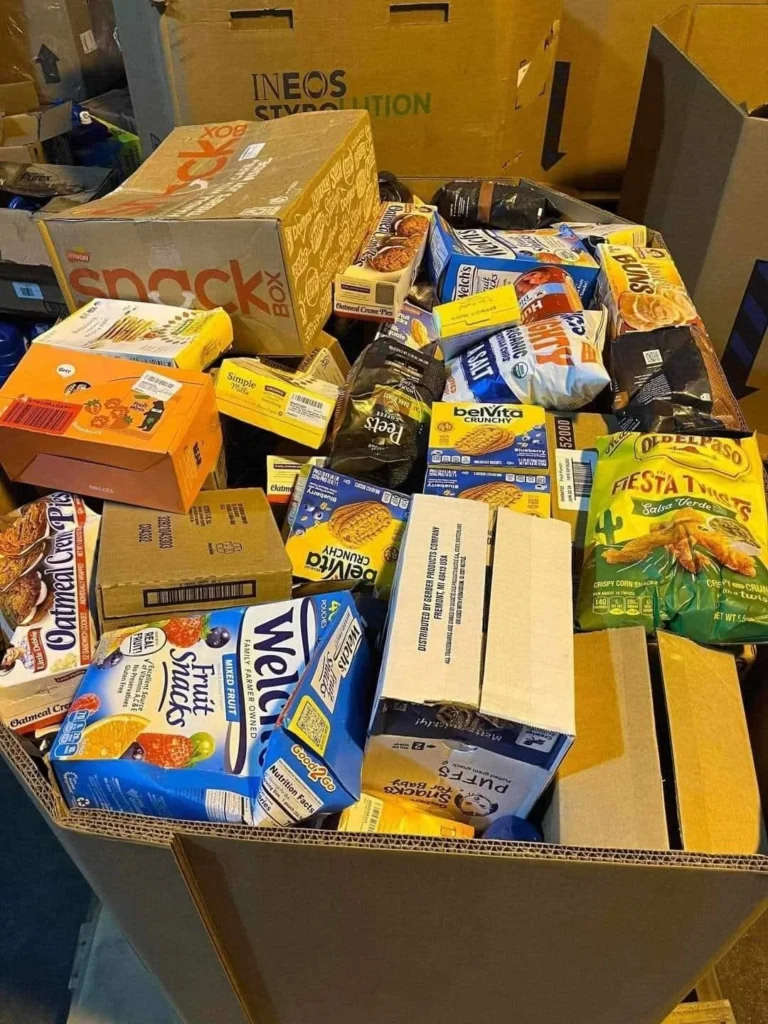
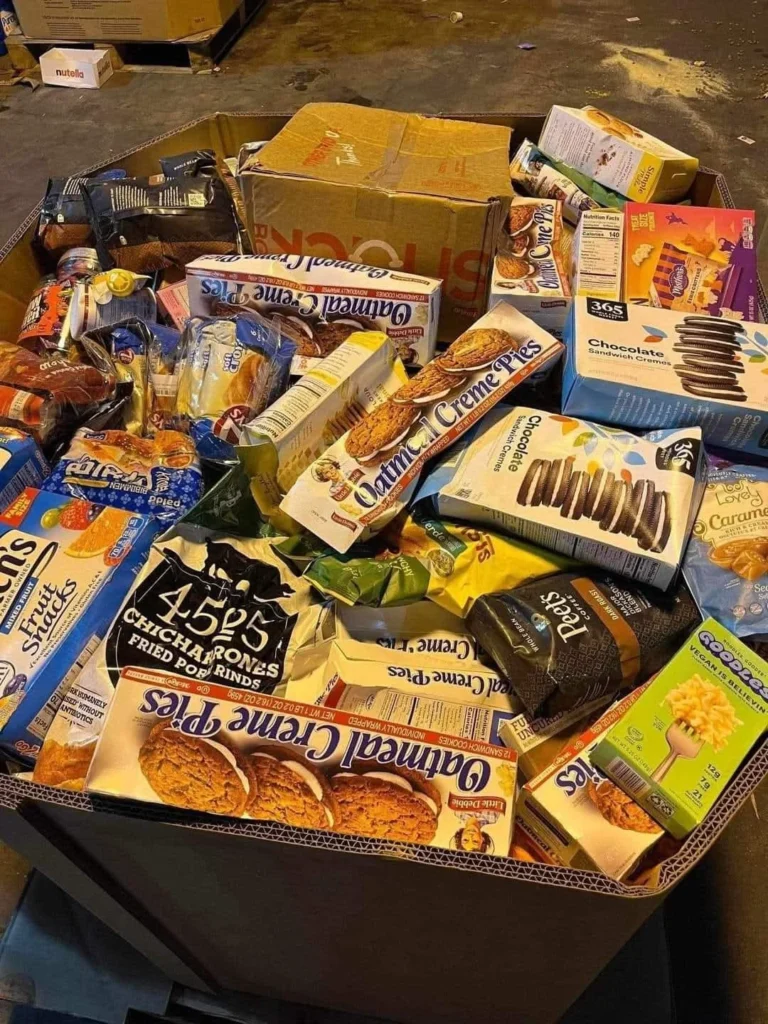
Mixed grocery inventory can include several product categories in one shipment. Depending on the actual inventory, a pallet may contain packaged snacks, canned goods, breakfast products, beverages, sauces, pantry items and household supplies.
This variety can help retailers stock different sections of their businesses.
For example, a discount retailer may separate suitable products into snack, beverage, pantry and household sections. A convenience store may focus on packaged refreshments and smaller grocery essentials.
The exact merchandise should always be confirmed with the supplier before purchasing.
Opportunities for Repeat Customer Sales
Many grocery and household products are regularly purchased and replenished. Retailers may therefore have opportunities to build repeat business by stocking products their customers need.
However, product demand varies by location, brand, price and customer preferences. Research your local market before deciding which inventory categories to prioritise.
Bulk Purchasing Convenience
Buying grocery pallets for resale can simplify the sourcing process for businesses that want several product categories in one order.
Instead of purchasing every product separately, a buyer can evaluate an assorted inventory lot and decide whether the overall selection suits their business.
This can be particularly useful for discount retailers, independent grocery stores and businesses that already have systems for receiving and organising bulk merchandise.
Opportunities for Different Retail Businesses
Grocery inventory may suit several sales channels, including:
- Independent grocery stores
- Convenience stores
- Discount retailers
- Local markets
- Wholesale distributors
- Community retail outlets
- Approved online grocery sellers
The best sales channel depends on the type of merchandise, packaging, condition, shelf life and applicable selling requirements.
What Products Can You Find in Wholesale Grocery Pallets?
The contents of mixed grocery pallets can vary between shipments. Buyers should review the specific product description and available inventory information instead of assuming that every pallet contains the same brands, quantities or product categories.
Some common grocery categories include the following.
Packaged Snacks and Chips
Snack products can be suitable for convenience stores, discount shops and local retailers.
Depending on available inventory, packaged snacks may include:
- Potato chips and crisps
- Pretzels
- Popcorn
- Crackers
- Cookies and biscuits
- Assorted packaged snack foods
When purchasing snack inventory, check the packaging, product dates, storage requirements and quantity of each product.
Canned Goods and Pantry Essentials
Canned and shelf-stable products are common grocery categories that may be included in mixed inventory.
Examples include canned vegetables, packaged sauces, condiments, dry pantry products and other grocery essentials.
Inspect cans for swelling, leaking, severe dents or damaged seals. Check packaging and date information before deciding whether products are suitable for resale.
Beverages and Refreshments
Some grocery inventory may include non-alcoholic beverages, bottled drinks, canned refreshments, juices and beverage mixes.
Beverages can be attractive to convenience stores and discount retailers, but weight is an important consideration when calculating freight costs.
Ask the supplier for available case quantities and shipment weight when evaluating beverage-heavy inventory.
Breakfast and Baking Products
Depending on the lot, buyers may encounter cereal, breakfast products, baking ingredients and other packaged pantry merchandise.
These products can help retailers expand their grocery selection, although demand and remaining shelf life should be evaluated before purchase.
Household and Cleaning Supplies
Some mixed grocery pallets may include household essentials alongside food products.
Potential categories include cleaning supplies, home care products and other everyday household merchandise.
Keeping these items organised separately from food products is important, particularly during storage and transportation.
7 Smart Ways to Buy Grocery Pallets for Resale
Purchasing wholesale grocery inventory requires a clear buying process. The following steps can help retailers evaluate potential purchases more carefully.
Research the Supplier Before Ordering
Before you buy grocery pallets for resale, take time to review the supplier’s business information and purchasing terms.
Check the company website, business contact details, product descriptions and payment instructions. Make sure the supplier can explain what is included in the advertised inventory.
Ask questions about:
- The type of merchandise included
- Product condition
- Available inventory photographs
- Whether a manifest is available
- Expiration or best-before dates
- Shipping arrangements
- Minimum order quantities
- Applicable purchase and return terms
A reliable purchasing decision starts with understanding exactly what the supplier is offering.
Request Available Inventory Information
A manifest or inventory summary can help buyers understand the contents of a grocery pallet before purchasing.
Depending on the supplier, available information may include product descriptions, quantities, case sizes, brand names and date information.
Not every liquidation pallet comes with a complete manifest. If one is unavailable, ask what other information can be provided.
Do not assume that product examples shown in promotional photographs represent every item in the shipment.
Check Expiration and Best-Before Dates
Food inventory requires additional attention because products have date information and storage requirements that can affect their suitability for resale.
Before purchasing, ask for the earliest relevant date represented in the lot and request photographs or documentation where available.
It is important to understand the difference between product dating terms. A best-before date may relate to product quality, while certain use-by instructions can have different safety implications depending on the product.
Buyers should not assume that all food products can be sold after their printed dates. Check the applicable requirements for each product and location.
The FDA Food Safety resource provides useful information about food safety, handling and consumer protection.
Calculate Your Total Landed Cost
A low purchase price does not automatically mean a profitable wholesale order.
When evaluating grocery pallets for resale, calculate the full cost of acquiring and processing the inventory.
Include:
- Pallet purchase price
- Freight and delivery
- Unloading expenses
- Labour and handling
- Storage costs
- Product inspection
- Packaging and selling expenses
- Applicable marketplace fees
A useful calculation is:
Total landed cost = purchase price + freight + unloading + handling + other acquisition expenses.
You can then estimate the average cost per sellable unit by dividing the total landed cost by the number of products that are actually suitable for resale.
This is more useful than dividing by the advertised unit count when some items may be damaged, incomplete or unsuitable for sale.
Understand the Product Condition
Before placing an order, establish whether the grocery inventory is new overstock, shelf pulls, closeout merchandise or another type of stock.
These terms can describe different inventory circumstances.
Overstock: Products held in excess of a retailer’s current inventory requirements.
Shelf pulls: Products removed from retail shelves, potentially because of merchandising changes, seasonal updates or packaging changes.
Closeout merchandise: Products being cleared from a particular inventory line or sales programme.
Mixed inventory: A combination of product categories or conditions, depending on the supplier’s description.
Do not assume that every grocery pallet contains identical products or that all merchandise is automatically retail-ready.
Plan Storage and Transportation
Food products need appropriate storage and handling.
Before purchasing grocery pallets for resale, make sure your receiving location can accommodate the shipment and maintain the storage conditions required by the products.
Consider the following:
- Keep products in suitable storage conditions.
- Separate food from cleaning chemicals and other non-food merchandise.
- Protect cartons from moisture, pests and physical damage.
- Follow product-specific temperature requirements.
- Organise stock so that products with earlier dates are reviewed first.
- Check packaging before placing products into retail inventory.
If your shipment includes heavy canned goods or beverages, confirm pallet weight and unloading requirements before delivery.
Choose the Right Resale Channel
Different grocery products may perform better through different selling channels.
A local discount store may be suitable for a broad selection of packaged grocery merchandise. A convenience store may prefer smaller snack and beverage products. Wholesale buyers may separate suitable inventory into smaller lots for independent retailers.
Online selling is another possibility, but shipping weight, marketplace restrictions, product dates and fulfilment costs must be considered.
Before purchasing a pallet, decide where you expect to sell the merchandise and whether your intended sales channel accepts the relevant product categories.
How to Calculate Potential Profit from Grocery Pallets
One of the most important parts of wholesale purchasing is understanding the difference between retail value and actual resale revenue.
A pallet may contain many products, but that does not mean every item will sell at its original retail price.
Start by reviewing the inventory and identifying products that are suitable for resale. Research comparable selling prices for the same products in similar condition.
Next, calculate the total landed cost of the shipment. Include all purchasing, delivery, handling and selling expenses.
Then estimate the revenue you could realistically generate from the saleable products.
For example, consider a hypothetical grocery pallet purchase:
| Cost or revenue item | Example amount |
|---|---|
| Pallet purchase | $500 |
| Freight and delivery | $150 |
| Unloading and handling | $50 |
| Total landed cost | $700 |
| Estimated sales revenue | $1,050 |
| Estimated gross difference | $350 |
This example is for illustration only. It does not represent an actual Pallet Liquidation price, guaranteed resale value or profit forecast. Additional operating expenses, taxes, unsold stock and other costs may reduce the final result.
The important point is to calculate your expected return using realistic selling prices rather than advertised retail values.
Who Should Buy Grocery Pallets Wholesale?
Grocery pallets can be worth evaluating for businesses that already have customers for packaged food and household essentials.
Grocery Store Owners
Independent grocery retailers may use mixed inventory to expand selected product categories or supplement existing stock.
Before purchasing, compare the available merchandise with the products your regular customers already buy.
Convenience Store Operators
Convenience stores may be interested in suitable packaged snacks, beverages and smaller grocery products.
A mixed pallet can provide variety, but buyers should check quantities, packaging and dates to determine whether the shipment fits their store.
Discount Retailers
Discount stores may have an opportunity to offer selected grocery and household merchandise at competitive prices.
The actual resale potential depends on product condition, customer demand and the cost of acquiring and handling the inventory.
Market Vendors and Local Resellers
Market vendors and independent resellers may be able to sell suitable packaged products through local retail channels.
They should check local food-selling requirements and make sure products are stored and displayed appropriately.
Wholesale Distributors
Wholesale distributors may consider purchasing larger quantities and supplying smaller independent retailers.
This approach requires suitable storage, accurate inventory records and a clear understanding of product dates and condition.
Common Mistakes to Avoid When Buying Grocery Pallets
Buying food inventory is different from purchasing clothing, tools or general merchandise. There are additional factors that can affect the suitability and resale potential of the products.
Buying Without Checking Product Dates
One of the biggest mistakes is purchasing food inventory without reviewing available date information.
A pallet containing products with limited remaining shelf life may require faster distribution than a pallet containing products with longer shelf life.
Always request available date details and make sure your business can sell the inventory responsibly.
Assuming Every Product Is Brand New
Do not assume that every liquidation or closeout pallet contains untouched merchandise.
Confirm the product condition and ask whether packaging is sealed, damaged or previously handled.
Ignoring Freight Costs
Food products and beverages can be heavy. A pallet with a low advertised price may become less attractive after transportation and unloading costs are added.
Always calculate the total landed cost before ordering.
Overestimating Retail Value
The original retail price does not guarantee that a product will sell for the same amount through your business.
Research realistic market prices and account for competition, condition and customer demand.
Buying More Than You Can Store
A large inventory purchase requires adequate storage and handling capacity.
Make sure your business can receive, organise and sell the products within an appropriate timeframe.
Ignoring Product Recalls
Before selling food or household products, check relevant recall information and remove affected products from sale.
The FDA Recalls, Market Withdrawals and Safety Alerts resource allows buyers and businesses to review relevant food and product safety announcements.
Why Choose Pallet Liquidation for Wholesale Grocery Inventory?
Pallet Liquidation provides a wholesale liquidation destination for businesses exploring bulk inventory and resale opportunities in the United States.
Our Grocery Pallets (400–800 Units) listing is intended for buyers interested in assorted grocery and household merchandise.
Buyers can review the product description and available details to determine whether the inventory suits their purchasing requirements.
You can also explore other wholesale inventory through our Pallet Liquidation shop.
If you are comparing different types of bulk merchandise, browse our wholesale lots, customer return pallets, truckload liquidation inventory and cheap pallets for sale.
These categories provide additional options for buyers researching wholesale merchandise.
Before completing an order, review the specific product description, available inventory information, delivery arrangements and purchasing terms.
More Buying Advice for Buy Grocery Pallets for Resale
Choosing the right supplier is an important part of Buy Grocery Pallets for Resale. Before placing an order, compare the available product information, shipment terms and total costs. A clear buying process helps you decide whether the inventory fits your store and customers.
Evaluate the Grocery Inventory
When researching Buy Grocery Pallets for Resale, ask for a description of the products included and any available manifest. Confirm whether the listed categories are examples or guaranteed contents. Product selection can change between shipments, so do not assume that every pallet contains the same brands or quantities.
Buyers considering Buy Grocery Pallets for Resale should also check whether the lot contains food only or a combination of food and household products. This distinction matters because food and non-food merchandise may require separate storage and handling arrangements.
Check Dates, Packaging and Storage
Food safety should be central to every decision about Buy Grocery Pallets for Resale. Request available expiration or best-before information and ask how the products have been stored. Review packaging for leaks, swelling, broken seals, moisture or other damage before making products available to customers.
A business planning to Buy Grocery Pallets for Resale should understand the storage requirements of each product. Shelf-stable goods still need suitable conditions, while certain products may require temperature-controlled storage. Follow the product label and applicable food safety rules.
Work Out Your Full Purchase Cost
Before you Buy Grocery Pallets for Resale, calculate more than the listed pallet price. Include freight, unloading, labour, storage, inspection, packaging and selling fees. These expenses affect the amount you need to recover from sales.
Businesses that Buy Grocery Pallets for Resale should estimate the number of units that are actually suitable for sale. Dividing the total landed cost by the advertised unit count may understate the cost per sellable item if some products are damaged, incomplete or unsuitable.
Choose a Suitable Sales Channel
A retailer looking to Buy Grocery Pallets for Resale should decide where the merchandise will be sold before ordering. Grocery stores, convenience stores, discount outlets and local markets may have different customer needs. Match the product assortment to the customers you already serve.
Online businesses that Buy Grocery Pallets for Resale should account for shipping weight, packaging requirements, marketplace rules and fulfilment costs. Some low-priced or bulky grocery products may be more practical to sell locally than to ship individually.
Plan Receiving and Stock Rotation
Prepare a receiving area before you Buy Grocery Pallets for Resale. Make sure there is enough space to unload, sort and inspect the shipment. Separate food products from cleaning supplies and other non-food merchandise, and record the quantities received.
When you Buy Grocery Pallets for Resale, organise food stock so that products with earlier dates are reviewed and sold first where appropriate. Keep records of lot details and supplier information to support traceability and stock management.
Compare Suppliers and Purchase Terms
Businesses looking to Buy Grocery Pallets for Resale should compare suppliers on the quality of the information they provide, not just the advertised price. Ask about condition descriptions, manifests, freight arrangements, delivery estimates and the procedure for reporting discrepancies.
Before you Buy Grocery Pallets for Resale, read the purchase terms carefully. Clarify what happens if the shipment differs materially from its description and retain written records of important supplier communications.
Decide Whether a Mixed Pallet Fits Your Store
Mixed inventory can offer variety, but it may also require more sorting than a single-category shipment. Buyers who Buy Grocery Pallets for Resale should consider whether they have the staff, storage and customer demand to handle the full assortment.
If your customers mainly purchase snacks and beverages, a broad grocery pallet containing household supplies may not be the best match. Compare the actual product mix with your sales history before committing.
Avoid Overestimating Sales
A careful business plan for Buy Grocery Pallets for Resale should use realistic selling prices rather than original retail prices. Research comparable products in similar condition and account for discounts, competition, unsold items and operating expenses.
Resellers who Buy Grocery Pallets for Resale should allow enough time for stock to move. Slow-selling inventory ties up cash and storage space, so avoid assuming that every item will sell immediately.
Keep Product Information Accurate
When you Buy Grocery Pallets for Resale, accurate product information helps protect customers and your business. Describe products honestly, identify relevant date information, and do not market damaged, recalled or unsuitable goods as ready for sale.
Businesses that Buy Grocery Pallets for Resale should check relevant recall notices and follow applicable federal, state and local requirements. Keep records of inspections and remove products from sale when there is a safety concern.
Review Results Before Your Next Order
After you Buy Grocery Pallets for Resale, compare actual results with your original estimates. Record the purchase and freight costs, the number of sellable units, sales revenue, handling time and remaining inventory.
This information helps you decide whether to Buy Grocery Pallets for Resale again, whether to choose a different product mix, or whether another wholesale category better suits your business.
Explore the Pallet Liquidation Listing
If you are planning to Buy Grocery Pallets for Resale, review the specific Grocery Pallets product listing and check the details provided for the available lot. You can also browse the Pallet Liquidation shop to compare other wholesale inventory categories.
A well-informed decision to Buy Grocery Pallets for Resale should be based on confirmed product details, safe handling, realistic costs and a clear route to customers. Take time to verify the shipment information before placing your order.
Further Checks Before You Order
A business preparing to Buy Grocery Pallets for Resale should confirm the delivery address, access requirements and unloading arrangements. Make sure the receiving location can handle the shipment safely and that staff are available when the carrier arrives.
If you Buy Grocery Pallets for Resale for a seasonal promotion, consider the timing of delivery and the time needed to sort and price the products. Inventory that arrives after a seasonal sales period may be harder to move.
Retailers who Buy Grocery Pallets for Resale should also consider whether their customers recognise the brands and product types in the assortment. Familiar products may be easier to explain and merchandise, but brand availability must be confirmed rather than assumed.
Before deciding to Buy Grocery Pallets for Resale, ask whether the supplier can provide photographs of the actual lot. If photographs are illustrative only, treat them as examples and base your decision on the written description and other confirmed information.
Businesses that Buy Grocery Pallets for Resale should keep food products in their original packaging whenever possible and follow the storage instructions on the label. Do not distribute products with missing or unreadable information when that information is required for safe sale.
When you Buy Grocery Pallets for Resale, consider the amount of labour required to sort mixed cases and create individual listings. Include this work in your margin calculations instead of treating it as a cost-free activity.
A retailer choosing to Buy Grocery Pallets for Resale may benefit from setting a receiving checklist. Record the shipment date, supplier, pallet count, product categories, visible damage and any date information supplied with the inventory.
If you Buy Grocery Pallets for Resale for a physical store, plan where each category will be displayed. Keep food merchandise separate from cleaning products and follow any relevant storage and merchandising requirements.
Online sellers who Buy Grocery Pallets for Resale should check the rules of each marketplace before creating listings. Product restrictions, food policies and shipping requirements can differ between platforms.
It is sensible to Buy Grocery Pallets for Resale only when the available stock and purchase terms are clear enough for your business to assess the risk. If important details are missing, ask questions before payment.
For businesses that Buy Grocery Pallets for Resale regularly, a spreadsheet can track acquisition costs, sellable quantities, product dates, sales and remaining stock. Reviewing these figures helps improve future purchasing decisions.
A first-time buyer planning to Buy Grocery Pallets for Resale should start with a quantity that matches available storage, working capital and operational capacity. Avoid taking on a shipment that the business cannot safely manage.
Experienced retailers may Buy Grocery Pallets for Resale as part of a broader inventory strategy, but each shipment still needs its own checks. Product mix and condition can vary, even when listings use similar names.
Before you Buy Grocery Pallets for Resale, verify whether freight is included or quoted separately. Confirm any accessorial charges, unloading responsibilities and delivery limitations to avoid unexpected costs.
Businesses that Buy Grocery Pallets for Resale should have a clear process for handling products that arrive damaged or differ from the documented description. Photograph discrepancies and follow the supplier’s written claims procedure.
When you Buy Grocery Pallets for Resale, remember that a stated unit count is an estimate unless the listing specifically guarantees it. Ask how the count is calculated and whether it refers to individual items, inner packs or cases.
Retailers can Buy Grocery Pallets for Resale more confidently when they compare the expected product mix with past sales. Use actual customer demand to guide purchasing rather than relying on broad assumptions about grocery popularity.
A business that plans to Buy Grocery Pallets for Resale should check local licensing and food handling obligations before offering products to customers. Requirements may vary by product type and jurisdiction.
If you Buy Grocery Pallets for Resale, keep supplier invoices and available lot information with your inventory records. Good documentation supports stock control and helps answer questions about the products.
The decision to Buy Grocery Pallets for Resale should include a plan for products that do not sell within the expected period. Consider appropriate markdowns or other lawful channels, while continuing to follow product date and safety requirements.
Wholesale buyers who Buy Grocery Pallets for Resale should avoid assuming that a low cost per unit automatically means a strong return. The sellable proportion, handling effort and realistic selling price all matter.
You may choose to Buy Grocery Pallets for Resale when the assortment complements your current products and the supplier’s terms are acceptable. Review the listing and confirm details before placing the order.
For more information about this specific opportunity, visit the Grocery Pallets listing and compare its stated quantity and product description with your business requirements before you Buy Grocery Pallets for Resale.
Frequently Asked Questions About Buying Grocery Pallets for Resale
Where can I buy grocery pallets for resale in the USA?
You can explore wholesale liquidation suppliers and grocery inventory listings that offer bulk packaged food and household merchandise. Review the supplier’s product description, business information, inventory details and shipping terms before purchasing.
You can also view the Grocery Pallets product listing at Pallet Liquidation.
What is included in a grocery pallet?
Depending on the available inventory, a grocery pallet may contain packaged snacks, canned goods, beverages, pantry products and household essentials. The exact assortment and quantities vary by shipment.
How many units come in a grocery pallet?
The Pallet Liquidation product listing describes an estimated 400–800 units per pallet. Actual quantities depend on product sizes, packaging and the available inventory.
Are wholesale grocery pallets suitable for convenience stores?
They may be suitable when the product assortment matches the store’s customers and the merchandise meets applicable food safety and selling requirements. Buyers should check product categories, packaging and dates before ordering.
Can I resell food from liquidation pallets?
Food resale is subject to applicable federal, state and local requirements. Buyers should inspect packaging, review date information, maintain appropriate storage conditions and avoid selling recalled, unsafe or unsuitable products.
Do grocery pallets contain name-brand products?
Brand availability depends on the specific shipment. Ask the supplier for available inventory details and brand information before purchasing. Do not assume a particular brand is included unless it is confirmed.
Is shipping included when buying grocery pallets?
Shipping arrangements depend on the product listing and order terms. Confirm freight costs, delivery options and unloading requirements before completing your purchase.
Can I buy just one grocery pallet?
The Pallet Liquidation listing specifies a minimum order quantity of one pallet. Buyers interested in larger quantities should enquire about available stock and bulk order arrangements.
How do I calculate the profitability of a grocery pallet?
Add the purchase price, freight, unloading, storage, inspection and selling expenses. Then estimate realistic revenue from products suitable for resale. Do not rely solely on original retail prices or assume every unit will sell.
What should I check before ordering grocery pallets?
Check the inventory description, product condition, available manifest, expiration or best-before dates, storage requirements, freight cost, delivery arrangements and supplier terms.
Start Buying Grocery Pallets for Resale
Expanding a retail business with grocery inventory requires careful purchasing decisions. The right merchandise can help retailers broaden their product selection, but buyers should always consider product condition, shelf life, storage, transportation and actual customer demand.
If you are looking for mixed grocery and household inventory, review the Grocery Pallets (400–800 Units) listing at Pallet Liquidation.
Explore the product details, confirm the available inventory and evaluate whether the shipment is suitable for your business.
Ready to expand your wholesale inventory? Visit Pallet Liquidation and explore our Grocery Pallets today.
