

PART 1: Understanding Wholesale Men’s Clothing Pallets
Introduction
Buying Wholesale Men’s Clothing Pallets can give clothing resellers access to a broad selection of men’s apparel without sourcing every product individually. For retailers, online sellers, discount clothing stores, flea-market vendors, and independent resellers, wholesale liquidation inventory can provide an opportunity to expand product selection and reach customers looking for affordable clothing.
At Pallet Liquidation, buyers can explore different wholesale inventory categories and sourcing opportunities. Visit the wholesale shop to review available merchandise and compare inventory options before purchasing.
This guide explains how to evaluate men’s clothing liquidation inventory, understand possible product conditions, organize assorted apparel, calculate costs, and prepare products for resale. It also covers practical buying considerations so that new and experienced resellers can make more informed purchasing decisions.
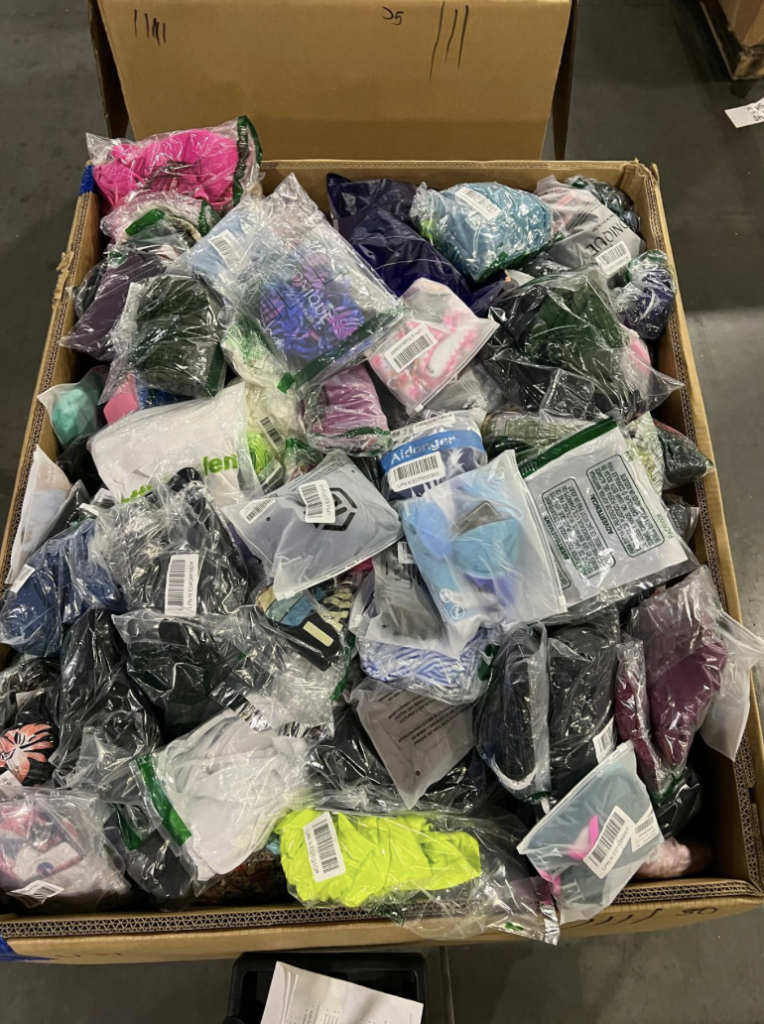
What Are Wholesale Men’s Clothing Pallets?
Wholesale men’s clothing pallets are bulk shipments of apparel grouped together for resale. Instead of purchasing individual garments from multiple suppliers, buyers acquire a larger assortment in one transaction.
These pallets may contain a mixture of clothing categories, sizes, styles, and conditions. Depending on the source and inventory lot, merchandise may include customer returns, shelf pulls, overstock, or seasonal closeouts.
A men’s clothing pallet may contain products such as:
- Men’s T-shirts and casual tops
- Polo shirts and button-down shirts
- Hoodies and sweatshirts
- Sweaters and knitwear
- Jackets and coats
- Jeans and denim clothing
- Chinos and casual trousers
- Joggers and athletic bottoms
- Shorts and seasonal apparel
- Activewear and sports clothing
- Sleepwear and loungewear
- Underwear and socks
The assortment can vary between shipments. Buyers should always review the current product listing and ask for clarification when specific inventory details are important to their purchasing decision.
What Is Included in the Target Men’s Clothing Wholesale Pallet?
The Target men’s clothing wholesale pallet featured in this guide is listed with approximately 350–400 pieces.
The advertised assortment includes a variety of men’s apparel categories, potentially covering casual clothing, everyday essentials, outerwear, and seasonal products.
Possible merchandise includes:
- T-shirts, polos, and casual shirts
- Hoodies, sweatshirts, and sweaters
- Jackets and other outerwear
- Jeans, chinos, and joggers
- Shorts and activewear
- Sleepwear and loungewear
- Underwear and socks
The inventory may include customer returns, shelf pulls, overstock, and seasonal closeouts. The exact assortment, sizes, brands, and condition of individual garments should not be assumed to be identical in every pallet.
For buyers interested in other bulk merchandise, the Target General Merchandise Truckload and Off-Price Name Brand General Merchandise Truckload are additional inventory categories worth reviewing.
Why Resellers Buy Men’s Apparel in Bulk
Men’s clothing is a broad retail category with customers looking for everyday basics, casual outfits, workwear, sportswear, and seasonal garments.
Buying bulk apparel can offer several advantages:
1. A wider product selection
An assorted shipment can provide several clothing categories in one purchase. This allows a reseller to offer more than one type of garment without sourcing each category separately.
2. Multiple customer groups
Men’s apparel can appeal to customers with different preferences, age groups, budgets, and clothing requirements.
3. Flexible selling channels
Resellers can list individual pieces online, sell clothing through a physical shop, create bundles, or offer selected items at local markets.
4. Opportunities to build repeat customers
Customers who find suitable everyday clothing at competitive prices may return to browse new inventory.
5. Bulk sourcing convenience
Purchasing a pallet can reduce the time spent finding individual garments from multiple suppliers. However, buyers still need to account for inspection, sorting, listing, and storage.
PART 2: Buying, Inspecting, Pricing, and Reselling Men’s Clothing
Understanding the Different Apparel Conditions
Before buying Wholesale Men’s Clothing Pallets, understand the possible condition categories associated with liquidation inventory.
The condition of merchandise can affect how quickly products can be prepared for sale and what price they may achieve.
Overstock
Overstock merchandise generally refers to products that were not sold through the original retailer’s normal sales channels. These items may be new, but buyers should still inspect garments and confirm the listing details.
Shelf pulls
Shelf pulls are products removed from retail shelves or store inventory. They may be new, but packaging, tags, or presentation can vary.
Customer returns
Returned clothing may be unused, tried on, or show signs of handling. Some garments may have missing tags, packaging issues, or defects.
Seasonal closeouts
Seasonal closeouts may include apparel from previous retail seasons. These products can still have resale potential, but demand may depend on the time of year and local customer preferences.
Do not assume every garment in a liquidation shipment is new or ready for immediate resale. Inspect the actual inventory before listing it.
How to Inspect a Men’s Clothing Pallet
A proper inspection process helps resellers identify saleable merchandise and separate items that require additional attention.
When your shipment arrives, begin by organizing the garments into manageable groups.
Step 1: Check the shipment
Confirm that the delivered inventory corresponds with your purchase documentation. Record any visible shipping damage and photograph the shipment before unpacking if necessary.
Step 2: Separate clothing categories
Create groups for shirts, trousers, jackets, hoodies, sweaters, activewear, and other categories. This makes it easier to count and evaluate individual items.
Step 3: Check garment condition
Look for:
- Tears and holes
- Stains and discoloration
- Broken zippers
- Missing buttons
- Damaged seams
- Fabric pilling
- Unusual odors
- Missing or damaged labels
- Signs of excessive wear
Step 4: Check sizes
Separate products by their marked sizes. If a label is missing or unreadable, avoid guessing. Record the item as unmarked and measure it if you intend to sell it using measurements.
Step 5: Photograph and record inventory
Create an inventory sheet with product category, size, condition, quantity, and intended selling price. Photographs can also help you maintain accurate records.
This process makes it easier to identify which products are ready to list, which need cleaning or further inspection, and which should be excluded from normal retail inventory.
How to Sort Wholesale Men’s Apparel for Resale
Good organization can make a substantial difference to the day-to-day operation of a clothing resale business.
Once inspection is complete, sort the inventory into categories that customers can understand.
| Category | Suggested sorting method |
|---|---|
| T-shirts | Size, color, style and condition |
| Polo shirts | Size, brand and condition |
| Hoodies | Size, weight and style |
| Jackets | Type, size and season |
| Jeans | Waist, length, fit and condition |
| Chinos | Waist, length and color |
| Joggers | Size, style and condition |
| Shorts | Size, style and season |
| Activewear | Product type and size |
| Sleepwear | Size and set availability |
| Underwear and socks | Packaging and hygiene condition |
Keep products with missing labels or uncertain condition separate until they have been assessed. For packaged underwear and socks, pay particular attention to whether the original packaging is intact.
How to Calculate the Cost of a Clothing Pallet
Before purchasing Wholesale Men’s Clothing Pallets, work out the total cost of acquiring and preparing the inventory.
Do not calculate profitability using the advertised piece count alone. Some items may require additional work, may not be suitable for sale, or may sell for less than expected.
Use this basic calculation:
Total landed cost = Purchase price + Shipping + Other acquisition expenses
Then calculate your cost per saleable item:
Cost per saleable item = Total landed cost ÷ Number of saleable items
For example, suppose a reseller spends $700 in total to acquire and receive a pallet. After inspection, 280 garments are considered suitable for sale.
The average landed cost per saleable garment would be:
$700 ÷ 280 = $2.50 per item.
This is only an illustration, not a quoted price or guaranteed result for the Target pallet.
Your final pricing should also account for packaging, marketplace fees, payment processing, storage, labor, discounts, and unsold stock.
How to Price Men’s Clothing for Resale
Pricing should reflect the garment’s condition, category, brand, size, and comparable market listings.
A practical approach is to create separate pricing groups.
Everyday basics
T-shirts, basic polos, and casual tops can be priced competitively. Research similar products in your local market and online marketplaces.
Casual and fashion apparel
Hoodies, sweaters, and fashionable shirts may require individual pricing based on style, quality, and customer demand.
Denim and trousers
Jeans and chinos should be organized by waist size, length, fit, and condition. Accurate measurements can help reduce customer confusion.
Outerwear
Jackets and coats may have different seasonal demand. Consider the local climate and the time of year before deciding how much inventory to display.
Bundles
Some lower-priced items may be suitable for multi-item offers. For example, a reseller might group similar basic T-shirts or socks into bundles, provided the condition and sizes are clearly disclosed.
Avoid assuming that every item will sell at the same price. Individual product evaluation is essential for realistic pricing.
Where to Sell Wholesale Men’s Clothing
Once inventory has been inspected and priced, select sales channels that match your customer base.
Your own ecommerce store
An independent online store gives you control over product presentation, pricing, categories, and customer communication. You can create dedicated collections for men’s shirts, jackets, trousers, and casualwear.
Online marketplaces
Established marketplaces can help sellers reach customers who are already searching for clothing. Follow each platform’s listing rules and provide accurate descriptions and photographs.
Local clothing stores
Independent clothing retailers and discount stores may be interested in selected pieces or larger quantities of suitable inventory.
Flea markets and pop-up shops
These selling environments can help resellers move affordable clothing directly to local customers.
Social media selling
Social media pages and local selling groups can help promote new arrivals, seasonal products, and special offers. Use clear photographs and include sizes, condition, and prices.
Buying Tips Before Ordering Wholesale Men’s Clothing Pallets
Before committing to a purchase, review the product listing carefully.
Use this checklist:
- Confirm the advertised piece count.
- Review the stated inventory source.
- Understand the possible condition categories.
- Check whether brands and sizes are guaranteed or simply possible.
- Ask whether an itemized manifest is available.
- Confirm shipping arrangements and delivery expectations.
- Calculate your total landed cost.
- Make sure you have enough storage space.
- Plan how you will inspect and sort the merchandise.
- Compare the purchase with your available resale channels.
If you are comparing different liquidation categories, browse customer return inventory, wholesale lots, and truckload liquidation.
Shipping, Receiving, and Storage
Shipping costs and delivery arrangements should be considered before placing an order. Confirm the delivery terms, receiving requirements, and whether your location can accommodate the shipment.
Prepare a suitable receiving area before the pallet arrives. You will need enough space to unload, unpack, inspect, and sort the garments.
Store clothing in a clean, dry environment. Keep products away from moisture, direct exposure to dirt, and conditions that could damage fabric or packaging.
Use labeled storage bins, shelves, or garment racks to separate inventory by category and size. Organized storage can reduce picking errors and make order fulfillment more efficient.
Clothing Labels and Consumer Information
Accurate clothing descriptions are important when selling apparel. Depending on the product and applicable requirements, textile labels may need to identify fiber content and other information.
Resellers should familiarize themselves with the Federal Trade Commission’s guidance on textile, wool, and fur product labeling.
You should also review the FTC’s Care Labeling Rule guidance when handling apparel subject to care-labeling requirements.
Do not remove or alter required labels, and make sure your listings accurately describe the merchandise.
PART 3: Business Strategy, FAQs, and Buying Wholesale Men’s Clothing Pallets
How to Build a Men’s Clothing Resale Business
A clothing resale business needs a clear sourcing strategy, organized inventory, consistent pricing, and reliable customer service.
Start by identifying the customers you want to serve. Some businesses focus on affordable everyday clothing, while others concentrate on branded casualwear, workwear, sportswear, or seasonal apparel.
Once you understand your target market, select inventory categories that match customer demand.
A practical business plan should include:
Sourcing strategy: Compare wholesale suppliers and review available liquidation categories before purchasing.
Inventory management: Track quantities, sizes, conditions, purchase costs, and sales.
Pricing strategy: Calculate landed costs and account for operating expenses before setting retail prices.
Marketing: Use accurate product titles, quality photographs, and clear descriptions.
Customer service: Provide straightforward information about sizing, condition, delivery, and returns.
Performance tracking: Review sales records regularly to identify which categories perform best.
For additional inventory opportunities, you can explore cheap pallets for sale and other categories through the Pallet Liquidation blog.
Common Mistakes to Avoid
Buying without checking the listing
Always understand what the supplier actually advertises. Do not rely on assumptions about brands, exact quantities, or product conditions.
Ignoring the cost of unsaleable items
Not every garment will necessarily be suitable for resale. Include a realistic allowance for damaged, incomplete, or slow-moving inventory when calculating costs.
Failing to sort by size
Customers need accurate size information. Poor organization can lead to listing mistakes and unnecessary returns.
Using poor product photographs
Clear photographs help customers assess clothing before purchasing. Show the garment from multiple angles when practical.
Overpricing basic apparel
Research comparable listings and local demand. A high purchase cost does not automatically mean customers will pay a higher retail price.
Buying more inventory than you can manage
Consider your available storage, cash flow, and sales capacity before purchasing larger quantities.
Why Choose Pallet Liquidation?
Pallet Liquidation provides buyers with access to different wholesale and liquidation inventory categories through its online store.
Customers can review available merchandise, compare product listings, and explore bulk inventory opportunities for resale businesses.
The Target men’s clothing wholesale pallet is one option for buyers looking to source assorted men’s apparel. The listing describes an approximate quantity of 350–400 pieces and a selection of clothing categories. Buyers should review the current listing for the latest details before ordering.
You can also browse other products, including Target Christmas Clothing Pallets and other available wholesale merchandise.
How to Build a Business Around Men’s Clothing Pallets
Starting a resale business with Men’s Clothing Pallets can give entrepreneurs access to assorted apparel in bulk. Instead of purchasing every garment separately, buyers can source multiple clothing categories through one wholesale purchase. However, successful resale requires careful inspection, accurate pricing, and a clear understanding of customer demand.
Finding the Right Men’s Clothing Pallets
When comparing Men’s Clothing Pallets, consider the advertised quantity, merchandise categories, condition, and total purchase cost. Some shipments may contain overstock, shelf pulls, customer returns, or seasonal merchandise.
Before ordering Men’s Clothing Pallets, review the supplier’s product description and confirm whether specific brands, sizes, and quantities are guaranteed. Never assume that every shipment contains the same assortment.
Sorting and Organizing Men’s Clothing Pallets
After receiving Men’s Clothing Pallets, organize the garments into categories. Separate shirts, trousers, jackets, hoodies, sweaters, and activewear. This makes stock counting and product listing easier.
Businesses purchasing Men’s Clothing Pallets should also separate clothing by size and condition. Check for stains, holes, damaged zippers, missing buttons, and other defects before preparing items for sale.
Proper organization helps businesses manage Men’s Clothing Pallets more efficiently and reduces mistakes when fulfilling customer orders.
Pricing Products from Men’s Clothing Pallets
Pricing Men’s Clothing Pallets inventory requires more than dividing the purchase price by the advertised number of pieces. Some garments may need additional inspection or may not be suitable for resale.
Calculate the landed cost of your Men’s Clothing Pallets, including purchase price, transportation, handling, and other expenses. Then divide that amount by the number of garments suitable for sale.
When pricing products from Men’s Clothing Pallets, research comparable listings and consider garment condition, brand, size, and customer demand.
Marketing Men’s Clothing Pallets Inventory
Businesses can sell products acquired through Men’s Clothing Pallets using ecommerce stores, online marketplaces, local clothing shops, flea markets, and social media.
Use clear photographs and accurate product descriptions when listing apparel from Men’s Clothing Pallets. Include available sizes, garment measurements, condition, and relevant product details.
You can also create clothing bundles from suitable Men’s Clothing Pallets inventory. For example, similar basic shirts or casualwear may be grouped into multi-item offers.
Managing Stock from Men’s Clothing Pallets
Inventory management is essential when purchasing Men’s Clothing Pallets regularly. Keep records of the number of garments received, inspected, listed, sold, and remaining in storage.
Track which categories from Men’s Clothing Pallets sell quickly and which products remain unsold. This information can help you improve future purchasing decisions.
Small businesses should avoid purchasing more Men’s Clothing Pallets than they can afford to store, inspect, and sell. A manageable inventory is often easier to control than a large shipment without an established sales strategy.
Choosing a Reliable Wholesale Supplier
Before buying Men’s Clothing Pallets, investigate the supplier’s product descriptions, ordering process, shipping terms, and customer support.
Compare different Men’s Clothing Pallets listings instead of choosing solely on the advertised piece count. A shipment with a lower price may still have a higher effective cost if many garments require additional work.
Pallet Liquidation offers different wholesale inventory categories for buyers exploring bulk merchandise. Review the available Men’s Clothing Pallets listing and compare it with other wholesale opportunities before making a purchasing decision.
Growing Your Resale Business
As your experience with Men’s Clothing Pallets increases, use sales records to identify profitable categories and customer preferences. Reinvest carefully, maintain accurate stock records, and improve your product photography and descriptions.
A consistent approach to sourcing, inspection, and customer service can help turn Men’s Clothing Pallets into one part of a wider clothing resale operation.
Ultimately, Men’s Clothing Pallets offer a bulk sourcing option for entrepreneurs interested in men’s apparel. Careful purchasing decisions and realistic financial planning remain essential for building a sustainable business.
Frequently Asked Questions
1. What are wholesale men’s clothing pallets?
They are bulk shipments of men’s apparel grouped together for resale. Depending on the listing, they may contain shirts, trousers, jackets, hoodies, activewear, and other clothing categories.
2. How many pieces are in the Target men’s clothing wholesale pallet?
The product information for this pallet advertises approximately 350–400 pieces. Buyers should check the current listing for updated details.
3. What types of clothing can be included?
Possible categories include T-shirts, polos, button-down shirts, hoodies, sweaters, jackets, jeans, chinos, joggers, shorts, activewear, sleepwear, underwear, and socks. The exact assortment may vary.
4. Are all the clothes brand new?
Not necessarily. The listed inventory may include customer returns, shelf pulls, overstock, and seasonal closeouts. Buyers should inspect garments and review the stated condition information.
5. Can I resell individual garments?
Yes. Resellers can sort suitable garments and list them individually, provided each product is accurately described and complies with the relevant marketplace rules.
6. How should I price men’s clothing from a liquidation pallet?
Consider the landed cost, condition, brand, size, comparable market prices, selling fees, and other operating expenses. Different clothing categories may require different pricing.
7. Where can I sell men’s wholesale clothing?
Potential sales channels include your own ecommerce store, online marketplaces, local clothing shops, flea markets, pop-up stores, and social media selling groups.
8. Should I wash or clean clothing before selling it?
Assess each garment first. Follow suitable care instructions and applicable hygiene practices. Do not list clothing as new if it has been used or altered.
9. Can I request a specific brand or size assortment?
Do not assume that a mixed liquidation pallet can be customized. Contact the supplier to confirm whether specific brands, sizes, or assortment requests can be accommodated.
10. Is buying wholesale men’s clothing pallets suitable for beginners?
It can be an option for beginners who understand the risks of mixed inventory and have a plan for inspection, storage, pricing, and resale. Start with a purchase size that matches your budget and operational capacity.
Conclusion: Start Sourcing Men’s Apparel for Resale
Wholesale Men’s Clothing Pallets can provide resellers with a broad selection of apparel to organize and sell through different retail channels. From T-shirts and polos to jackets, jeans, hoodies, and activewear, assorted men’s clothing can support a variety of resale business models.
The key is to evaluate the inventory carefully, understand the possible conditions, calculate the full cost of acquisition, and price each category realistically.
If you are ready to explore bulk apparel and other liquidation opportunities, review the Target Men’s Clothing Wholesale Pallet and browse the available inventory at PalletLiquidation.us.
Compare the listing details, plan your receiving and inspection process, and choose inventory that fits your resale strategy.
100 SEO Tags
wholesale men’s clothing pallets, men’s clothing liquidation pallets, wholesale men’s apparel, men’s clothing pallets for sale, bulk men’s clothing wholesale, Target men’s clothing pallet, men’s apparel liquidation, wholesale clothing inventory USA, men’s clothing for resale, overstock men’s clothing, customer return clothing pallets, men’s fashion wholesale, wholesale men’s shirts, bulk men’s T-shirts, wholesale polo shirts, men’s hoodies wholesale, wholesale men’s sweaters, men’s jackets wholesale, wholesale men’s jeans, bulk denim clothing, men’s chinos wholesale, men’s joggers wholesale, men’s shorts wholesale, wholesale activewear for men, men’s sleepwear wholesale, men’s underwear wholesale, wholesale men’s socks, men’s casual clothing wholesale, men’s everyday essentials wholesale, liquidation apparel USA, wholesale apparel pallets, clothing pallets for resellers, bulk clothing liquidation, discount men’s clothing wholesale, men’s clothing stock lots, men’s apparel stocklots, men’s clothing surplus inventory, retail overstock clothing, shelf pull clothing pallets, customer return apparel, seasonal clothing liquidation, men’s winter clothing wholesale, men’s summer clothing wholesale, men’s fashion resale inventory, men’s clothing resale business, clothing reseller supplies, wholesale fashion inventory, bulk apparel for boutiques, men’s clothing for online stores, men’s clothing for discount stores, men’s clothing for flea markets, wholesale clothing suppliers USA, liquidation clothing suppliers, buy men’s clothing in bulk, buy wholesale apparel pallets, affordable men’s wholesale clothing, mixed men’s clothing pallet, assorted men’s apparel pallet, men’s clothing bulk lots, men’s clothing wholesale deals, Target liquidation clothing, Target apparel liquidation, men’s clothing overstock pallets, men’s clothing shelf pulls, men’s clothing customer returns, wholesale casualwear, bulk fashion clothing, men’s retail inventory, resale clothing inventory, clothing inventory for small businesses, men’s apparel bulk purchase, wholesale clothing deals USA, men’s clothing warehouse inventory, men’s fashion stock clearance, bulk shirts for resale, jeans for resale wholesale, jackets for resale wholesale, hoodies for resale wholesale, sweaters for resale wholesale, activewear for resale, wholesale loungewear, wholesale basics for men, mixed apparel wholesale lots, clothing liquidation deals, wholesale apparel stock, men’s clothing clearance inventory, men’s clothing distribution, wholesale garments USA, men’s clothing store inventory, online clothing resale inventory, men’s apparel resale opportunities, bulk clothing sourcing, wholesale fashion pallets USA, men’s clothing pallet supplier, liquidation pallets for clothing stores, men’s clothing inventory management, men’s apparel wholesale lots, affordable clothing resale inventory, men’s clothing business supplies, men’s fashion liquidation stock
