

Buying wholesale tool pallets can create opportunities for retailers and resellers, but evaluating the merchandise is an important part of the process. Milwaukee tool inspection helps buyers understand the condition of power tools, identify missing accessories and determine which products may be suitable for resale.
Milwaukee power tools are used by contractors, mechanics, electricians, construction businesses and DIY enthusiasts. Wholesale inventory may include drills, impact drivers, saws, grinders, batteries, chargers and other accessories. However, the condition of individual products can vary depending on the source of the merchandise.
Whether you operate a hardware store, an online business or a liquidation resale operation, knowing how to carry out a proper Milwaukee tool inspection can help you organize inventory and avoid making unsupported product claims.
This guide explains what to examine when receiving wholesale tool pallets, how to identify potential problems, how to organize products for resale and what to consider before listing Milwaukee tools for customers.
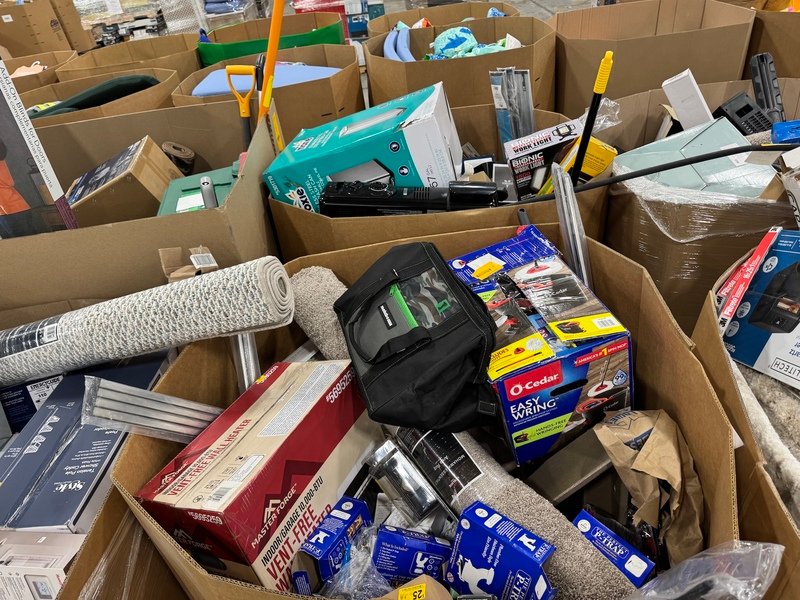
Why Milwaukee Tool Inspection Matters
A wholesale pallet may contain several different tool models and accessories. Some products may be complete and ready for resale, while others may need additional inspection, cleaning or testing.
A Milwaukee tool inspection gives resellers an opportunity to evaluate the merchandise before deciding how to sell it.
The process can help you:
- Identify visible damage.
- Check whether accessories are included.
- Identify missing batteries or chargers.
- Separate incomplete products.
- Recognize products requiring professional testing.
- Organize inventory by model and condition.
- Prepare accurate product descriptions.
- Avoid advertising unverified tools as fully functional.
Inspection is particularly important when dealing with customer returns, open-box merchandise and untested liquidation inventory.
What to Check During Milwaukee Tool Inspection
Start with a visual examination of each product. Do not immediately connect equipment to a power source or operate tools that appear damaged.
Examine the Tool Housing
Check the exterior of each tool for:
- Cracks in the casing.
- Broken plastic components.
- Missing covers.
- Damaged handles.
- Signs of excessive wear.
- Loose external components.
- Evidence of impact damage.
- Unusual corrosion or contamination.
A Milwaukee tool inspection should include photographs of significant damage. This creates a record of the product’s condition before it is cleaned, tested or listed.
Cosmetic scratches do not necessarily mean a tool is unusable. However, structural damage should be treated seriously.
Check the Trigger and Switches
Inspect the visible condition of triggers, switches and control buttons.
Look for broken controls, loose components or signs that a switch may be damaged. Do not force a trigger or attempt to operate equipment that has visible electrical or mechanical damage.
If the tool requires functional testing, follow the manufacturer’s instructions and appropriate safety procedures.
Inspect Batteries and Battery Connections
Batteries are important components of many cordless power tools.
During Milwaukee tool inspection, check batteries for:
- Cracked or damaged casing.
- Swelling or deformation.
- Corrosion around contacts.
- Burn marks.
- Signs of leaking.
- Damaged connection points.
- Missing identification labels.
Do not charge or use a battery that appears swollen, damaged, leaking or otherwise unsafe. Separate questionable batteries for appropriate handling.
Check Chargers
If chargers are included, inspect their external condition.
Look for damaged cables, cracked housings, bent connections, burn marks and missing components.
Do not connect damaged charging equipment to an electrical outlet. Products with electrical damage should be evaluated by a qualified person.
Check Accessories and Included Components
Some power tools are sold as complete kits, while others are supplied as bare tools without batteries or chargers.
Check the listing or product description to establish what should be included.
Depending on the model, accessories may include:
- Batteries.
- Chargers.
- Carrying cases.
- Side handles.
- Blade guards.
- Tool attachments.
- Cutting accessories.
- Storage bags.
- Instruction documents.
A Milwaukee tool inspection should record missing components instead of assuming that every product is incomplete or defective.
How to Identify Milwaukee Tool Models
Correct model identification is important when preparing wholesale inventory for resale.
Look for product labels, model numbers and identification markings on the tool. Record the information where it is visible and legible.
You can use model information to research:
- Product specifications.
- Compatible batteries.
- Available accessories.
- Manufacturer documentation.
- Comparable selling prices.
- Replacement components.
Avoid guessing a model based only on appearance. Similar-looking tools can have different specifications and compatibility requirements.
A careful Milwaukee tool inspection should record the model number and any relevant identification information before the product is listed for sale.
Testing Milwaukee Power Tools Before Resale
Visual inspection and functional testing are two different processes.
A tool can look clean and complete but still have an internal problem. Likewise, a product with cosmetic wear may operate correctly.
Testing should only be carried out when the product appears safe to handle and the person performing the test understands the appropriate procedures.
Follow manufacturer instructions and use suitable safety precautions. If you are unfamiliar with electrical or mechanical testing, seek help from a qualified technician.
Separate Products by Testing Status
Create separate inventory groups:
Visually inspected: The product has undergone an external condition check, but its functionality has not been confirmed.
Functionally tested: The product has been tested using an appropriate procedure, and the result has been recorded.
Requires further inspection: The product has an issue that needs additional assessment.
Incomplete: The product is missing components required for its advertised configuration.
Not suitable for resale: The product has damage or safety concerns that make ordinary resale inappropriate.
This system helps a reseller avoid confusing a visual inspection with a verified functional test.
How to Organize Milwaukee Tool Pallet Inventory
After receiving a shipment, organize products before creating individual listings.
A consistent Milwaukee tool inspection process can make inventory management easier.
Sort Products by Category
Create separate groups for drills, impact drivers, saws, grinders, batteries, chargers and accessories.
This makes it easier to identify the quantity of each product type.
Record Product Models
Create a spreadsheet containing the product name, model number, condition, included accessories and inspection status.
Photograph Every Important Detail
Take clear photographs of:
- The complete product.
- Model identification labels.
- Included accessories.
- Packaging.
- Visible cosmetic damage.
- Missing components.
These photographs can be useful when creating listings and responding to customer questions.
Assign a Condition Classification
Use consistent descriptions such as new, open-box, used, incomplete or untested, where supported by the product’s actual condition and the supplier’s information.
Do not classify an item as new simply because its packaging looks clean.
How to Prepare Milwaukee Tools for Resale
Once the products have been inspected and organized, prepare suitable items for listing.
Start by cleaning exterior surfaces using appropriate manufacturer guidance. Avoid liquids or cleaning methods that could damage electrical components.
Confirm that the photographs accurately represent the item being sold.
Write product descriptions that include:
- Product name.
- Model number.
- Condition.
- Included accessories.
- Known cosmetic damage.
- Missing components.
- Testing status.
- Relevant specifications.
A Milwaukee tool inspection record can help ensure that the description matches the actual product.
For example, if a drill has been visually inspected but not functionally tested, describe it as visually inspected and untested. Do not advertise it as fully functional.
How to Price Inspected Milwaukee Tools
Pricing should reflect the model, condition, completeness and current market demand.
Research comparable products on relevant marketplaces. Whenever possible, compare completed sales rather than relying only on advertised prices.
Consider these categories when developing your pricing strategy:
New and complete: Products whose condition and completeness have been verified according to the applicable supplier information.
Open-box: Products with opened packaging that may still be complete and suitable for resale.
Used and tested: Products that have been appropriately tested and accurately described.
Incomplete or untested: Products that need additional disclosure and may appeal to buyers seeking parts or repair opportunities.
Your pricing should also account for the original wholesale purchase cost, freight, handling, inspection, storage and selling fees.
Buying Milwaukee Tool Pallets for Inspection and Resale
If you are looking for bulk inventory, Pallet Liquidation USA offers Milwaukee tool inventory through its wholesale listings.
The Milwaukee Tool Pallets listing is a starting point for buyers researching this product category.
You can also review the Milwaukee Tools Wholesale Pallet to compare the separate wholesale offer.
Before ordering, review the current product descriptions, advertised quantities, merchandise conditions and shipping terms. Ask questions about the assortment and whether an inventory manifest is available.
For other buying opportunities, explore the Pallet Liquidation USA Shop and the wholesale lots category.
You can also browse the truckload liquidation category for larger inventory options.
Important Safety Considerations
Power tools and lithium-ion batteries require careful handling.
Do not operate products with visible electrical damage, damaged cables, cracked battery housings or other potentially unsafe conditions.
Keep damaged batteries separate and follow appropriate manufacturer and local disposal guidance.
Before reselling power tools, check applicable safety requirements and relevant product recalls.
The US Consumer Product Safety Commission recalls database is an official resource for checking product recalls.
For workplace safety information, consult the Occupational Safety and Health Administration.
These resources can support a more responsible inspection and resale process.
Common Milwaukee Tool Inspection Mistakes
Assuming Appearance Means Functionality
A clean tool is not necessarily a working tool. Visual condition and functional condition should be recorded separately.
Ignoring Battery Damage
Damaged batteries should never be treated as ordinary usable accessories. Check their condition carefully and isolate questionable units.
Failing to Record Missing Accessories
A tool may be suitable for resale even if certain accessories are missing, but the listing must accurately disclose what is included.
Guessing Product Models
Incorrect model identification can lead to inaccurate specifications and unsuitable replacement accessories.
Making Unsupported Testing Claims
Never advertise a tool as tested or fully functional unless the appropriate testing has actually been completed.
Ignoring Product Recalls
Check relevant recall information before preparing products for resale.
Final Milwaukee Tool Inspection Checklist
Before listing wholesale Milwaukee inventory, confirm the following:
- The product model has been identified where possible.
- The exterior has been inspected.
- Visible damage has been recorded.
- Battery condition has been checked where applicable.
- Chargers and accessories have been examined.
- Missing components have been documented.
- Testing status has been recorded accurately.
- Product photographs have been taken.
- Recall information has been checked where relevant.
- The selling description matches the actual condition.
Following a consistent Milwaukee tool inspection checklist can help wholesale buyers organize their inventory and provide more accurate information to customers.
Complete Milwaukee Tool Inspection Guide for Wholesale Buyers
A proper Milwaukee Tool Inspection process helps wholesale buyers evaluate products before offering them for resale. Every Milwaukee Tool Inspection should begin with checking the exterior condition, product identification and included accessories.
When performing a Milwaukee Tool Inspection, examine the tool housing for cracks, damaged handles, missing covers and signs of excessive wear. A detailed Milwaukee Tool Inspection should also include checking visible switches, triggers and external components.
Battery condition is another important part of Milwaukee Tool Inspection. Examine battery housings, connection points and visible contacts. Any swollen, leaking or damaged battery should be separated and handled appropriately.
During Milwaukee Tool Inspection, check chargers for damaged cables, cracked housings and missing components. Never connect visibly damaged electrical equipment to a power source.
A complete Milwaukee Tool Inspection should also record model numbers, accessories and product condition. This information makes it easier to organize wholesale inventory and prepare accurate resale descriptions.
For businesses purchasing liquidation pallets, Milwaukee Tool Inspection can help separate complete products from incomplete or untested merchandise. Each Milwaukee Tool Inspection record should clearly distinguish visual checks from verified functional testing.
Before listing any product, use Milwaukee Tool Inspection findings to prepare accurate photographs and descriptions. Consistent Milwaukee Tool Inspection procedures can improve inventory management and help businesses avoid unsupported claims about product functionality.
Whether you operate a hardware store or an online resale business, Milwaukee Tool Inspection is an important part of responsible wholesale inventory handling.
Frequently Asked Questions
Why is Milwaukee tool inspection important?
Milwaukee tool inspection helps resellers identify visible damage, missing components, battery problems and products requiring further testing before resale.
Should I test every Milwaukee tool before selling it?
Where appropriate and safe, functional testing helps verify operating condition. Products that have not been tested should be described accurately as untested.
How do I check Milwaukee tool batteries?
Inspect the battery casing, contacts, identification labels and visible condition. Do not charge or use batteries that are swollen, leaking or damaged.
Can I resell Milwaukee tools from liquidation pallets?
Suitable products may be resold through appropriate retail and online channels. Check their condition, applicable marketplace rules and any relevant product restrictions.
What should I do with incomplete tools?
Record the missing components and describe the product accurately. Do not advertise an incomplete product as a complete kit.
Where can I buy Milwaukee tool pallets?
You can review the Milwaukee Tool Pallets listing at Pallet Liquidation USA and confirm the current assortment, price and purchasing terms before ordering.
Conclusion
Milwaukee tools can be an interesting inventory category for hardware retailers, wholesale buyers and online resellers. However, successful resale requires more than purchasing a pallet and listing the products.
A proper Milwaukee tool inspection helps you understand product condition, identify missing accessories, organize merchandise and prepare accurate listings. It also helps you separate visually inspected products from items that have actually undergone functional testing.
Before buying, research the supplier, review the inventory description and calculate the total acquisition cost. After delivery, inspect each product carefully and use honest condition descriptions when preparing your merchandise for resale.
Explore Milwaukee tool inventory at Pallet Liquidation USA and review the current product details before making your next wholesale purchase.
