
Best Liquidation Pallets for Resellers in 2026
Finding the best liquidation pallets for resellers can help you build a stronger inventory strategy, discover products for your target customers, and make more informed wholesale purchasing decisions. However, the best pallet is not always the cheapest one or the one advertised with the highest retail value. The right choice depends on product condition, customer demand, shipping expenses, and how efficiently you can sell the merchandise.
In 2026, resellers can explore different liquidation categories, including electronics, tools, home goods, clothing, appliances, and general merchandise. Each category offers different opportunities and challenges, so understanding the differences before purchasing is essential.
Pallet Liquidation USA helps resellers, small businesses, and bulk buyers explore wholesale inventory opportunities. In this guide, we’ll explain how to compare liquidation pallets, choose suitable merchandise, calculate potential costs, and avoid common buying mistakes.
What Are the Best Liquidation Pallets for Resellers?
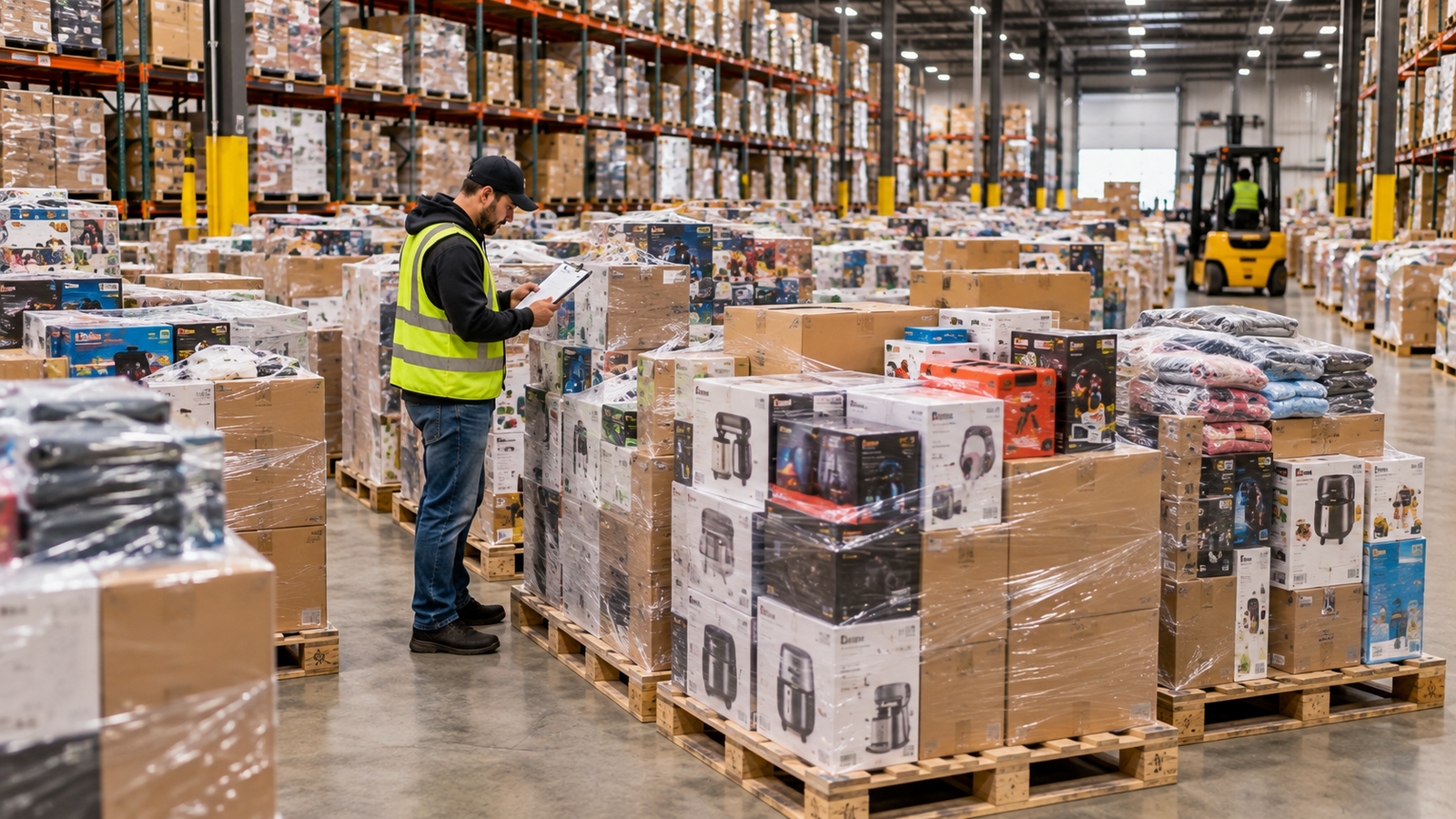
The best liquidation pallets for resellers are lots that match their budget, experience, storage capacity, and target market. A pallet containing popular products is not automatically profitable: buyers must also consider condition, competition, shipping, and the time required to prepare items for sale.
Some resellers prefer single-category pallets because they can develop expertise in a particular product type. Others prefer mixed merchandise that allows them to test several categories and reach different customer groups.
Before choosing a lot, consider these questions:
- Do you understand the products and their resale market?
- Can you inspect, test, clean, or repair the items if necessary?
- Do you have enough space to store the inventory?
- Can you estimate the total landed cost, including freight?
- Where will you sell the products, and what fees will apply?
Start by reviewing the current listings at Pallet Liquidation USA. Compare the details of each available lot rather than making a decision based on the title or advertised discount alone.
1. Electronics Liquidation Pallets
Electronics pallets may appeal to resellers who understand consumer devices, accessories, computer products, and related merchandise. Individual lots can differ considerably, so check the specific inventory description before purchasing.
Electronics can require more inspection than some other product categories. Devices may be untested, missing accessories, damaged, or unsuitable for resale. Model numbers, product condition, completeness, and testing status can all influence the price a buyer can realistically achieve.
If you have experience evaluating electronic products, this category may be worth researching. Beginners should first learn how to test the items they intend to sell and understand the costs of handling defective merchandise.
Explore the available electronics pallet category to review relevant listings. Confirm the exact contents, condition, and quantity shown on each product page.
2. Tool and Hardware Liquidation Pallets
Tool pallets may suit resellers who serve contractors, DIY customers, repair businesses, and home improvement shoppers. Depending on the specific lot, inventory may include hand tools, power tools, accessories, hardware, or other related products.
One advantage of focusing on tools is that you can build a more targeted customer base and become familiar with common product brands and specifications. However, you should still inspect the details of every lot. Used or returned tools may require testing, and some products may be missing batteries, chargers, or other components.
Research comparable selling prices and account for marketplace fees, packaging, and shipping before estimating your potential margin.
You can explore the Milwaukee tool pallet listings as a starting point for researching tool-related inventory. Check the current listings to confirm what is actually available.
3. General Merchandise Liquidation Pallets
General merchandise pallets can include products from multiple retail categories. Depending on the lot, these may include household goods, accessories, small appliances, seasonal products, and other consumer items.
Mixed pallets can give resellers an opportunity to test different product categories. They may also require additional sorting, photography, pricing, and storage because the items are not all sold in the same way.
Before buying, review the product descriptions and manifest if one is available. Identify which items you can sell quickly, which require extra work, and which may be difficult to move.
For a starting point, review the Amazon general merchandise pallet listing. Treat the individual product description as the source of truth for the lot’s contents, condition, and availability.
4. Retailer and Target Merchandise Lots
Retailer-associated merchandise lots can appeal to buyers who are looking for particular product types or a specific mix of goods. The actual contents and sourcing details must be confirmed for each listing.
Do not assume that every lot associated with a retailer contains new merchandise or a guaranteed set of brands. Products may differ by condition, category, quantity, and availability.
If a listing interests you, check whether it includes a manifest, review any available photographs, and ask the supplier about details that are unclear. Compare the total purchase cost with realistic resale prices before committing to a larger order.
You can review this Target general merchandise truckload listing as an example of a retailer-associated inventory page. Verify the listing details before making assumptions about its current contents.
5. Liquidation Truckloads for Larger Buyers
A truckload may be worth considering for established resellers who have the budget, storage, labour, and sales channels to handle a larger volume of inventory. Buying at a larger scale can change the cost structure, but it also increases the amount of capital tied up in stock.
Before purchasing a truckload, calculate how much space you need, how the merchandise will be unloaded, and how quickly you expect to process it. Consider whether you have enough customers and selling capacity to move the inventory without creating a cash-flow problem.
Larger orders are not automatically better. A smaller pallet may be a more sensible choice if you are still learning a category or testing demand.
Browse the truckload liquidation category to compare relevant listings. Check the stated quantity, shipping terms, product condition, and other details for each lot.
How to Choose the Right Liquidation Pallet for Your Business
Choosing the right pallet starts with understanding your own resale model. A seller operating an online store may need products that are easy to photograph, list, pack, and ship. A flea-market seller may prefer merchandise that can be displayed and sold directly to local customers.
Match the Inventory to Your Customers
Research the products your target customers already buy. Look at competing listings, comparable prices, demand, and shipping expectations. Avoid purchasing a category simply because it appears popular or has a high advertised retail value.
Check the Manifest and Condition
A manifest, when supplied, may list products, quantities, and other inventory details. Compare it with the listing description and ask questions if information is missing or unclear.
Confirm whether merchandise is new, open-box, returned, used, damaged, or untested. These differences affect preparation time and potential resale value.
Calculate Your Total Cost
Your actual inventory cost can include the pallet price, freight, unloading, transportation, storage, testing, repairs, packaging, marketplace fees, and refunds or returns.
For example, if a pallet costs $700 and freight costs $180, your initial cost is $880 before other expenses. If some items cannot be sold, the cost of the remaining sellable inventory will be higher than the simple purchase price suggests.
The U.S. Small Business Administration’s break-even guide explains how fixed and variable costs affect the sales needed to break even. Use realistic figures to evaluate your own inventory plan.
Understand the Supplier’s Terms
Review payment arrangements, dispatch expectations, freight responsibilities, condition disclosures, and applicable return or dispute terms. Save your order details and correspondence.
The Federal Trade Commission also recommends researching sellers, comparing offers, checking delivery details, and reviewing policies before buying online. Read its online shopping guidance before making purchasing decisions.
Common Mistakes Resellers Should Avoid
Even a promising pallet can become an expensive mistake if you overlook important details. Avoid these common errors:
- Choosing only by retail value: Advertised retail value is not the same as realistic resale revenue.
- Ignoring freight: Shipping and unloading can significantly increase your total cost.
- Assuming every item works: Returned, damaged, incomplete, or untested products may require additional work.
- Buying too much too soon: Excess stock can tie up cash and occupy valuable storage space.
- Ignoring selling fees: Marketplace commissions, payment processing, packaging, and returns can reduce margins.
- Failing to research demand: A low purchase price does not guarantee that customers want the merchandise.
- Skipping the listing details: Always confirm the specific lot’s condition, contents, quantity, and terms.
A consistent evaluation process helps you compare different lots using the same criteria rather than relying on excitement or an apparent discount.
Where to Find Liquidation Pallets for Resale
If you are comparing inventory options, begin with the categories that fit your experience and budget. Review individual product pages, compare merchandise descriptions, and ask the supplier for clarification when necessary.
Visit the Pallet Liquidation USA shop to explore current inventory options. You can also browse the store listings to see the products currently presented on the website.
Availability and lot details may change. Confirm the listing information before ordering, especially if you are purchasing a large quantity or arranging freight transportation.
If you need more information about a listing, shipping, or bulk purchasing, use the Pallet Liquidation USA contact page to get in touch.
Conclusion: Finding the Best Liquidation Pallets for Resellers in 2026
The best liquidation pallets for resellers are the ones that match your customers, experience, budget, and ability to process and sell inventory. Electronics, tools, general merchandise, retailer-associated lots, and truckloads each have different requirements, so compare the actual products and terms before choosing.
Research resale demand, review manifests when available, check product conditions, and calculate your full costs, including shipping and selling fees. Start at a scale you can manage and expand as you learn which categories perform well for your business.
Ready to explore wholesale inventory? Visit Pallet Liquidation USA to review current listings and compare options that fit your resale strategy. Take time to evaluate each lot carefully, ask questions when needed, and make purchasing decisions based on the available information rather than advertised discounts alone.
